🦵 Not sure what's causing it? Take the 5-question knee quiz.
Find My Pattern →How to Enjoy Photography Walks With Limited Knee Tolerance
Framing your shot feels natural—you're focused, steady, patient. But halfway through a morning walk looking for light and composition, something shifts. Your knee starts speaking. Not loudly at first. A tightness. A sensation that makes you aware of each step, aware that the walk you planned for two hours might need to become one, or that you'll pay for it tomorrow. Photography walks are different from casual strolls; you stop often, you shift weight while composing, you might crouch or kneel for an angle. That combination of movement, stillness, and positioning can strain a knee that's already temperamental.
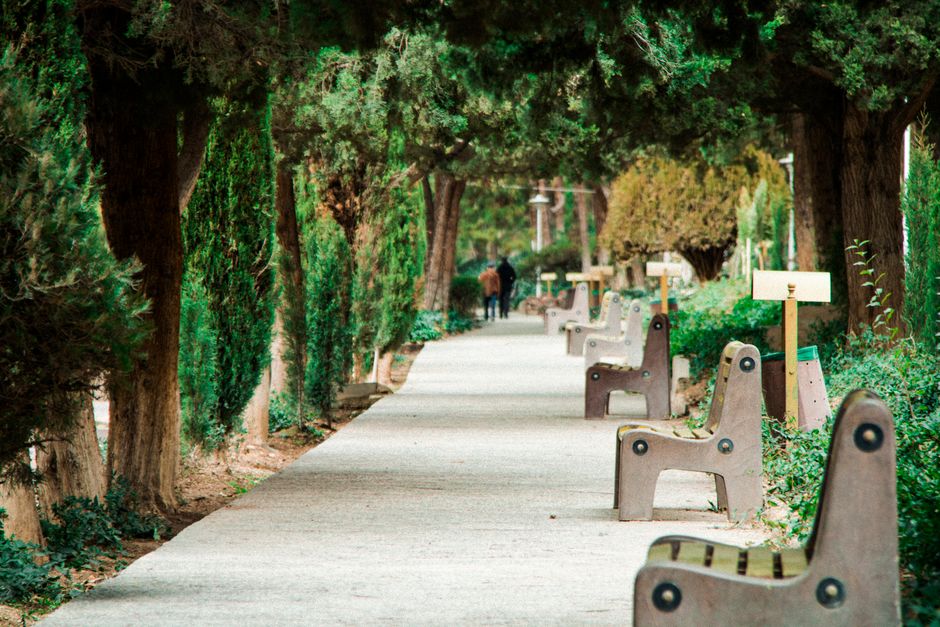
The good news is that photography walks don't require you to choose between the hobby and protecting your knee. They just need planning that most people skip.
Why your knee reacts differently on photography walks
🦵 Not sure what's causing your knee pain?
Answer 5 quick questions and get a personalised result.
Find My Pattern → 60 seconds · No sign-upPhotography walks involve patterns that regular walking doesn't. When you're shooting, your weight settles unevenly—often favoring one leg while you frame or adjust position. You might stand still for longer than usual, which can create stiffness, then suddenly shift to find a better angle. That stop-start rhythm, combined with the mental focus that makes you ignore early warning signals, can aggravate knees that tolerate steady walking better. It's worth knowing that how to plan a city break with limited knee walking tolerance follows a very similar pattern and responds to the same kind of approach.
Several factors often contribute to this specific pain pattern. Muscle fatigue around your knee may develop faster because you're not moving continuously; your stabilizing muscles work harder during frequent position changes. Uneven terrain—cobblestones, grass, gravel—demands more from your knee's stabilizers than flat pavement does, and photographers often seek these textured environments for visual interest. The crouching or kneeling some angles require can create pressure that builds gradually, becoming noticeable only after you've done it several times. And simply being absorbed in composition means you might push past the point where your knee would normally signal you to rest.
Practical ways to structure a photography walk around your knee
Start with a shorter route, mapped in advance. Don't aim for "as far as I can go." Instead, plan a specific loop—perhaps three blocks or one neighborhood section—where you know the terrain and distance. This removes the temptation to keep walking "just a bit further" because you're chasing a location. Knowing your endpoint helps you pace yourself mentally, not just physically.
Alternate between shooting and walking. Rather than walking while looking for subjects, walk first to a location, then spend time shooting from one spot before moving on. This breaks the pattern of continuous movement plus positioning changes. Your knee gets genuine rest periods, not just the micro-pauses of composition.
Bring a small, lightweight support. A compression sleeve or wrap isn't about immobility—it's about proprioceptive feedback, reminding your knee of its position during position changes. Some photographers find that a sleeve makes the difference between enjoying a walk and limping home. Test this at home first to see if it feels helpful rather than restrictive.
Choose your footwear deliberately. Shoes matter more for photography walks than for casual walking because you're changing direction and weight distribution frequently. Look for shoes with lateral support (side-to-side stability) rather than just cushioning. Avoid shoes that feel flexible or unstable, even if they're comfortable for short distances. Your knee needs predictable support during those frequent micro-adjustments.
Plan rest stops as part of your route. This isn't optional. Identify a bench, café, or viewpoint where you'll sit for 10–15 minutes halfway through. Use this time to review images, adjust settings, or simply let your knee recover. Sitting isn't failure; it's part of the walk. Some photographers find that sitting actually sharpens their eye—you notice details you'd miss while moving.
Avoid ground-level angles on the first outing. Crouching, kneeling, or lying down for shots stresses your knee in ways that standing doesn't. On a walk where your knee is already working harder than usual, skip these angles or do them sparingly, only for shots you truly can't get otherwise. As your tolerance builds, you can gradually include more varied positioning.
When to speak with a healthcare professional
If your knee pain during photography walks is new, worsening, or accompanied by swelling, instability, or a sensation of "catching," that's worth discussing with a doctor or physical therapist before you continue. They can identify whether there's a specific structural issue or movement pattern that needs addressing, rather than you working around pain indefinitely.
Pain that appears immediately during a walk and doesn't ease with rest, or pain that's severe enough to alter your gait, also warrants professional input. A physical therapist can assess whether certain movements are genuinely harmful for your knee or whether they're safe but feel uncomfortable—an important distinction.
Safety note: If you have severe pain, significant swelling, a recent injury, fever, numbness, or difficulty bearing weight, speak with a qualified healthcare professional promptly.
Building tolerance gradually
Photography walks work best when you think of them as something to build into, not something to push through. Your first walk might be shorter than you'd like. That's the baseline. If that walk leaves you sore the next day, your next walk should be similar in length. If it doesn't, you can gradually extend—perhaps by one block or five minutes—on the following outing. People dealing with this frequently also notice how to arrange bedside essentials when knee mobility is limited, particularly after extended periods of inactivity.
Pay attention to what happens 24 hours after a walk, not just during it. Delayed pain tells you something important about your actual tolerance, separate from what you feel capable of in the moment. Many people find their knee tolerance improves noticeably over several weeks of consistent, appropriately-paced walks, but that improvement happens through repetition at a manageable level, not through pushing past discomfort.
The question to ask yourself before your next walk isn't "How far can I go?" but "What distance felt manageable last time, and can I repeat that successfully?" That shift in thinking—from testing limits to building consistency—often makes the difference between photography walks becoming something you dread and something you plan for regularly.
Helpful Next Step
As an Amazon Associate, we may earn from qualifying purchases. This does not affect the price you pay.
Helpful Support Option
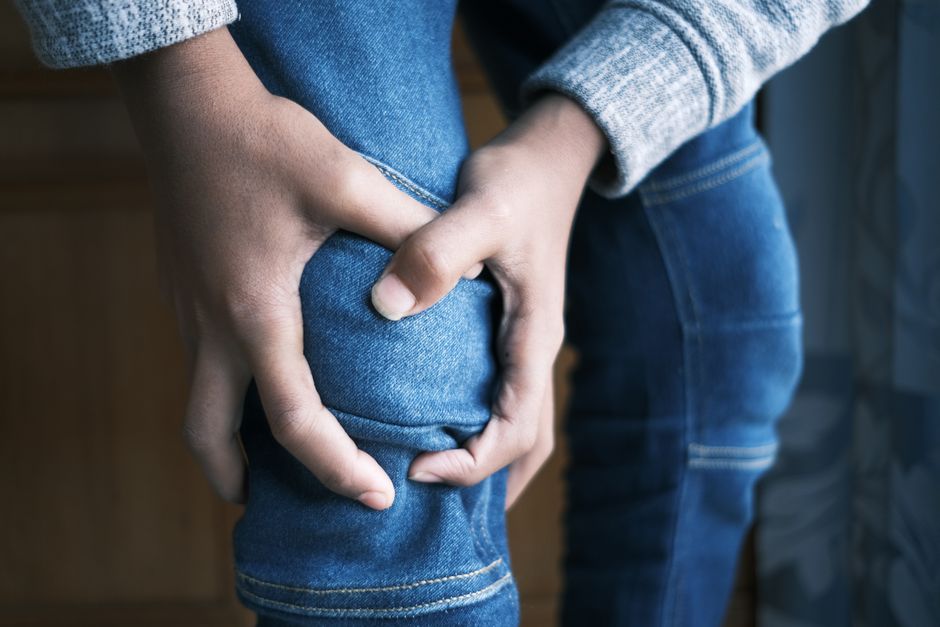
If this type of knee discomfort shows up during daily movement, light support may help reduce strain on the joint while you work on the underlying cause.
See knee support options on AmazonHelpful Next Step
If gentle support helps during recovery, you can check a simple support option that many people use in daily life. It's worth knowing that how to practice getting up from the floor when knee mobility is limited follows a very similar pattern and responds to the same kind of approach.
This content is for educational purposes only and does not constitute medical advice. Always consult a qualified healthcare professional for diagnosis and treatment.