🦵 Not sure what's causing it? Take the 5-question knee quiz.
Find My Pattern →How to Choose Luggage When Knee Mobility is Limited
Packing for a trip used to be straightforward until your knee started acting up. Now the moment you think about hauling a heavy suitcase through an airport or lifting it into an overhead bin, that familiar tightness or sharp pull reminds you that your usual luggage won't work anymore. The weight that never bothered you before suddenly feels significant, and bending down to drag something across the floor sends a spike through your knee that makes you reconsider the whole journey.

This isn't about canceling travel. It's about choosing luggage that works with your knee instead of against it.
Why luggage becomes harder with limited knee mobility
🦵 Not sure what's causing your knee pain?
Answer 5 quick questions and get a personalised result.
Find My Pattern → 60 seconds · No sign-upWhen your knee has reduced range of motion or stability, several things happen that make standard luggage problematic. Pulling a heavy roller bag requires you to twist slightly at the knee and hip while walking—a movement that can aggravate pain or instability, especially over long distances like airport terminals. The repetitive small adjustments your leg makes while steering a suitcase can create a delayed ache that builds throughout the day. There's a close connection between this and how to arrange bedside essentials when knee mobility is limited — the same structures are usually involved.
Lifting luggage overhead or into a car trunk demands you bend your knee fully while supporting weight. Limited mobility often means you can't achieve that full bend safely, or doing so creates sharp pain. You may compensate by twisting your spine or putting extra pressure on your other leg, which creates new problems.
Carrying luggage by hand—even a small bag—shifts your weight unevenly. Your knee has to work harder to stabilize your body when one side is heavier, and that constant micro-adjustment can trigger pain or swelling by evening.
Finally, if your knee is swollen or feels unstable, the simple act of standing still while waiting at check-in or security becomes tiring. Luggage that requires you to stand longer while managing it makes this worse.
Choosing luggage that reduces knee strain
Prioritize lightweight materials over durability. Hard-shell suitcases are durable but heavy. Soft-sided luggage made from modern fabrics like ballistic nylon or ripstop polyester weighs significantly less while still protecting your belongings. Compare the empty weight of bags side-by-side—you may be surprised how much difference a few pounds makes when your knee is already working harder.
Look for four-wheel spinners, not two-wheel rollers. Two-wheel bags require you to tilt and steer, which puts rotational stress on your knee. Four-wheel spinner luggage rolls straight forward and backward with minimal steering effort. Your knee doesn't have to compensate for directional changes. This is the single biggest difference you can make.
Keep your carry-on small and light. A standard carry-on roller bag is often heavy enough to cause problems. Consider a personal item backpack instead—something that weighs under 10 pounds when packed. Backpacks distribute weight across both shoulders and your hips, reducing the uneven loading that stresses your knee. Look for bags with padded straps and a hip belt that transfers weight away from your upper body.
Choose luggage with an extended handle. A tall handle means you don't have to bend as far forward to grip it while walking. This reduces the angle your knee travels through and the load it carries. Test the handle height—it should reach comfortably to your wrist when you stand upright with your arm at your side.
Consider a compact rolling duffel or weekender bag. These are lighter than full-size suitcases and often sit lower to the ground, reducing the distance you have to lift them. They're ideal for trips under a week. Some models have a removable backpack strap, giving you flexibility—roll it when your knee feels stable, carry it on your back when rolling feels uncomfortable.
What to avoid
Don't pack a large suitcase just because you have the space. Extra capacity tempts you to bring more, which adds weight your knee doesn't need to handle. Pack only what you'll actually wear.
Avoid bags with small or stiff wheels. Cheap luggage often has wheels that don't roll smoothly, requiring more effort and steering adjustments. Spend a bit more on smooth-rolling wheels if you can—your knee will thank you.
Don't choose a bag based on appearance alone. A beautiful suitcase that's heavy or awkward to maneuver will frustrate you at every airport. Function matters more when mobility is limited. There's a close connection between this and how to modify a day of fishing when knee mobility is limited — the same structures are usually involved.
Skip bags without a handle extension system. If you have to bend significantly to push or pull your luggage, you're loading your knee unnecessarily.
When to talk to a professional
If packing or unpacking luggage causes sharp pain that lasts hours afterward, or if swelling increases noticeably after travel, these are signs your current approach isn't working. A physical therapist can assess how you're moving with luggage and suggest specific adjustments or exercises to protect your knee during travel.
If you're unable to lift anything heavier than a few pounds, or if your knee feels unstable when standing for more than a few minutes, speak with a doctor before traveling. You may need additional support—like a brace—or modifications beyond luggage choice alone.
Safety note: If you have severe pain, significant swelling, a recent injury, fever, numbness, or difficulty bearing weight, speak with a qualified healthcare professional promptly.
Moving forward with travel
The right luggage choice can make travel feel manageable rather than something to dread. As you pack for your next trip, notice which movements trigger discomfort—rolling versus lifting, standing still versus walking—and let that guide which features matter most for your specific knee. Some people find that switching to a backpack-style carry-on and shipping a checked bag ahead eliminates most of the problem. Others discover that lightweight four-wheel luggage is the only change they need.
Pay attention to how your knee feels the day after travel, not just during. This tells you whether your luggage choice is truly working or if you need to adjust further.
Helpful Next Step
As an Amazon Associate, we may earn from qualifying purchases. This does not affect the price you pay.
Helpful Support Option
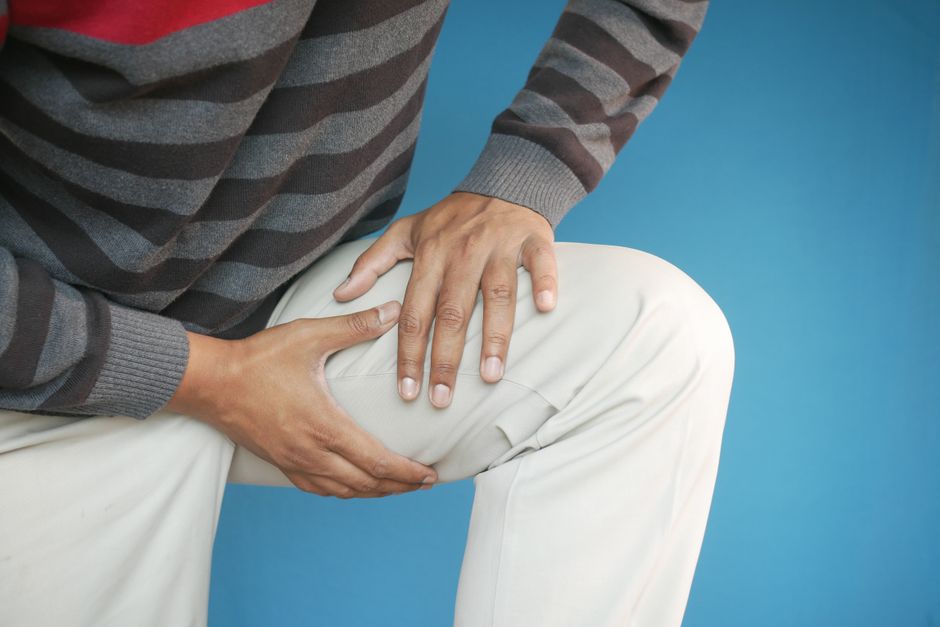
If this type of knee discomfort shows up during daily movement, light support may help reduce strain on the joint while you work on the underlying cause.
See knee support options on AmazonHelpful Next Step
If gentle support helps during recovery, you can check a simple support option that many people use in daily life. This pattern is related to how to practice getting up from the floor when knee mobility is limited, and the same management principles often apply.
This content is for educational purposes only and does not constitute medical advice. Always consult a qualified healthcare professional for diagnosis and treatment.