🦵 Not sure what's causing it? Take the 5-question knee quiz.
Find My Pattern →How Do I Know If I'm Ready to Return to Sports Like Tennis After Knee Pain?
The court looks inviting. Your tennis bag sits in the garage, racket inside, and you've been pain-free for a few weeks now. But the moment you imagine yourself lunging for a wide forehand or pivoting sharply on the baseline, something holds you back—a small doubt about whether your knee is actually ready. Tennis demands quick directional changes, explosive pushes off one leg, and sustained lateral movement. Knowing whether your knee can handle that again isn't always obvious, especially when the pain has faded but the confidence hasn't returned.
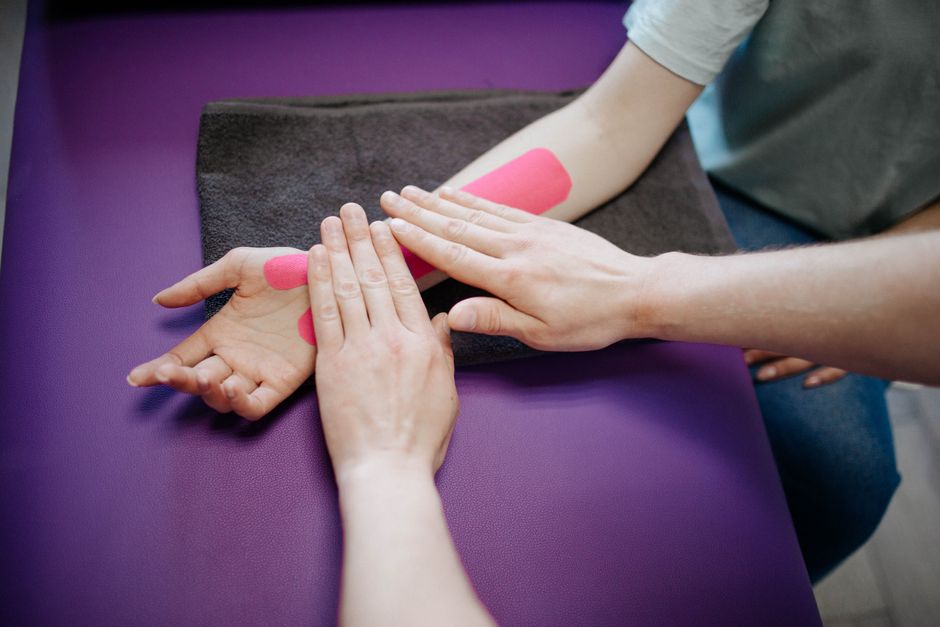
Why tennis can be harder on a recovering knee than everyday activity
🦵 Not sure what's causing your knee pain?
Answer 5 quick questions and get a personalised result.
Find My Pattern → 60 seconds · No sign-upTennis creates specific stresses that everyday movement doesn't. When you walk or do light household tasks, your knee typically bends and straightens in predictable patterns. Tennis introduces forces your knee may not have encountered during recovery: sudden stops, sideways lunges, rapid weight shifts, and the need to decelerate quickly while still moving forward.
Several things can make your knee vulnerable when you try to return. Sometimes the muscles around your knee—especially the quadriceps and glutes—haven't regained their full strength or endurance, so they fatigue quickly and can't stabilize your knee properly during demanding movements. Other times, the tissues around your knee (ligaments, cartilage, or tendons) were irritated and have calmed down, but they haven't fully adapted to high-impact or twisting motions yet. In some cases, movement patterns shift slightly after knee pain; you may have unconsciously favored one side or changed how you land and push off, and those habits can persist even after pain resolves. Finally, the confidence gap is real—your knee might be physically ready, but your brain hasn't caught up, and hesitation during a crucial moment can actually increase injury risk. It's worth knowing that can i return to tennis or similar sports after knee pain follows a very similar pattern and responds to the same kind of approach.
What to test before you step back on court
Before you commit to a full match or even a practice session, you can run through some practical checks that reveal whether your knee is truly ready for tennis-specific demands.
Start with single-leg strength. Stand on your affected leg for 30 seconds without holding onto anything. Your standing leg should feel stable, not wobbly or weak. Then try single-leg squats—lower yourself halfway down as if sitting into a chair while standing on one leg. If your knee feels solid and you can control the movement without pain, that's a good sign. If your knee caves inward, wobbles, or hurts, your stabilizer muscles need more work.
Test directional changes on flat ground. In a hallway or open space, walk forward at a normal pace, then pivot 90 degrees to one side and walk a few steps. Repeat in the other direction. Do this several times, gradually picking up speed. Your knee should feel stable during the turn, not sharp or unstable. If you feel pain or hesitation, you're not ready yet.
Try lateral movements without impact. Slide sideways across a room (like a defensive slide in tennis) without letting your feet leave the ground. Do this for 20-30 seconds at a slow, controlled pace. Your knee should track smoothly over your toes. If your knee feels stiff, painful, or like it's tracking inward or outward awkwardly, that's useful information—your movement pattern may still need attention.
Assess your tolerance for small hops. Stand on both feet and do small, gentle bounces in place—nothing explosive, just a light rhythm. Then try small hops on your affected leg alone, staying in one spot. If bouncing feels jarring or painful, your knee isn't ready for the impact demands of tennis. If it feels controlled and stable, you're closer.
Observe swelling and soreness after activity. After any of these tests, wait a few hours and check whether your knee swells, feels warm, or becomes more painful. Some mild soreness is normal after testing, but significant swelling or increased pain the next day suggests you've done too much too soon.
How to progress carefully if the tests go well
If your knee passes these basic checks, you can begin introducing tennis-specific movements in a controlled way. Start with footwork drills on the court without hitting—practice your split step, small adjustment steps, and directional changes at half speed. Add gentle hitting against a wall or with a partner, focusing on technique rather than power. Play shorter points or games rather than full sets. Stop well before you feel tired or before your knee starts to complain.
Pay attention to how your knee feels 24 hours after activity. Mild stiffness that resolves with movement is usually fine. Sharp pain, significant swelling, or pain that worsens the next day means you've progressed too fast.
When to talk to a professional before returning
If you can't complete the single-leg stability tests without pain or wobbling, if directional changes cause sharp pain rather than mild discomfort, or if you're unsure whether the original injury has truly healed, it's worth a conversation with a physical therapist or sports medicine professional before you return to tennis. They can assess your specific knee, identify any lingering weakness or movement issues, and give you a clearer picture of your readiness. It's worth knowing that how can i safely test whether my knee is ready to return to a specific hobby follows a very similar pattern and responds to the same kind of approach.
Safety note: If you have severe pain, significant swelling, a recent injury, fever, numbness, or difficulty bearing weight, speak with a qualified healthcare professional promptly.
Moving forward realistically
Returning to tennis after knee pain isn't a binary choice—you're either fully ready or you're not. Most people find themselves somewhere in between, ready for certain aspects of the sport but not others. You might be ready for doubles (less running, shorter movements) before you're ready for singles. You might handle baseline rallies before you're comfortable at the net. The key is matching your current capacity to the demands you're placing on your knee, then building from there.
Before your first session back, decide what success looks like: maybe it's playing 20 minutes without pain, or completing a practice without swelling the next day. That's your target, not a full match or your pre-injury level of play. Once you hit that target consistently, you can gradually add more.
Helpful Next Step
As an Amazon Associate, we may earn from qualifying purchases. This does not affect the price you pay.
Helpful Support Option
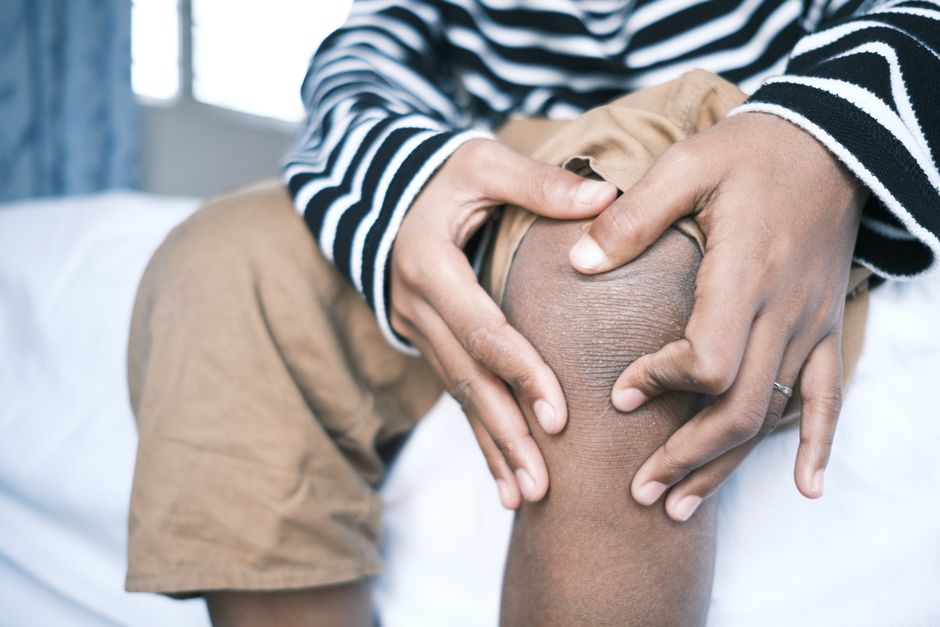
If this type of knee discomfort shows up during daily movement, light support may help reduce strain on the joint while you work on the underlying cause.
See knee support options on AmazonHelpful Next Step
If gentle support helps during recovery, you can check a simple support option that many people use in daily life. It's worth knowing that how to plan a gentle return to doubles tennis after knee pain follows a very similar pattern and responds to the same kind of approach.
This content is for educational purposes only and does not constitute medical advice. Always consult a qualified healthcare professional for diagnosis and treatment.