🦵 Not sure what's causing it? Take the 5-question knee quiz.
Find My Pattern →How Can I Safely Test Whether My Knee is Ready to Return to a Specific Hobby?
The moment you think about going back to something you love—tennis, hiking, dancing, gardening—a question stops you: Is it actually ready, or am I about to make it worse? That gap between wanting to return and knowing it's safe is real and frustrating. Testing readiness isn't about pushing through pain or following a fixed timeline. It's about gathering honest information from your own knee, in a controlled way, so you can make a decision that doesn't undo weeks of progress.
Why your knee might not be ready yet
🦵 Not sure what's causing your knee pain?
Answer 5 quick questions and get a personalised result.
Find My Pattern → 60 seconds · No sign-upA knee that feels fine during everyday movement can react differently to the specific demands of a hobby. Several things can explain why:
The hobby demands a movement pattern your knee hasn't practiced recently. Tennis requires quick lateral shifts. Rock climbing demands sustained pressure at odd angles. Cycling relies on repetitive knee bending at speed. If you've been resting or doing gentle movement only, your knee's supporting muscles and connective tissue may not have rebuilt the strength or coordination that specific activity requires.
Swelling can hide until you stress the joint. Many people notice their knee looks and feels normal while sitting or walking slowly, then swelling appears hours after more demanding activity. This delayed response can make it hard to know in the moment whether you've pushed too far.
Your nervous system might still be protecting the knee. After pain or injury, the body sometimes keeps muscles slightly tense around the joint as a safety reflex, even after healing has progressed. This can feel like tightness or a subtle hesitation during movement, and it often improves only with gradual exposure to that specific activity.
The hobby might involve a movement or load your knee hasn't handled at that intensity. Stairs feel manageable at normal pace, but running up them is different. Walking on flat ground is fine, but uneven terrain changes the demand. Your knee may be ready for 70% of what the hobby requires, but not 100%.
How to test readiness carefully
Testing isn't about one single session or one good day. It's about gathering information across multiple attempts, watching for patterns, and noticing how your knee responds over the hours and days that follow. For useful context, can i return to tennis or similar sports after knee pain tends to have the same mechanical roots and overlapping solutions.
Start with a simplified version of the activity, at low intensity, in a controlled setting. If you want to return to tennis, don't play a full match. Instead, stand in one spot and practice your forehand swing without a ball, or hit against a wall with no pressure to move. If hiking is your goal, walk a flat, familiar trail for 15 minutes instead of attempting a steep hike. If you want to dance, put on music and move gently for 10 minutes in your living room. The point is to test the movement pattern without the full physical demand or the unpredictability of real conditions.
Do this test on a day when your knee feels reasonably good, but not on an unusually "good day." If your knee has been sore all week and suddenly feels perfect one morning, that's not the right time to test. You're more likely to overestimate readiness. Instead, test on a typical day—when your knee feels like it usually does.
Pay attention to what happens during the activity, not just after. Does the movement feel smooth or does it catch? Does pain appear immediately or does the knee feel numb and tight? Does the sensation change as you continue, or stay the same? A sharp pain that stops you is different from a dull ache that stays steady. A catching sensation is different from simple weakness. These details matter more than whether you "made it through."
Wait 24 to 48 hours and observe what happens next. This is where most people miss important information. Swelling, stiffness, or increased pain that shows up the next day (or the day after) tells you something different than pain that appears during the activity. Some knees react immediately; others react with a delay. Track whether your knee feels the same as before the test, slightly worse, noticeably worse, or actually better. Write it down if you can—it's easy to forget details by the time you're ready to test again.
If the test goes well, repeat it 2 to 3 times before increasing the intensity. One successful attempt doesn't mean readiness. Do the same simplified version again a few days later. Does it feel easier the second time, about the same, or harder? If it consistently feels manageable and your knee doesn't swell or stiffen afterward, you can gradually add complexity—longer duration, slightly more intensity, or a variation of the movement.
Increase only one variable at a time. If you did 10 minutes of gentle dancing and it went well, the next test is 15 minutes of gentle dancing, not 10 minutes of faster dancing. If you hiked a flat trail successfully, the next test is a slightly longer flat trail or a very gentle slope, not both. This makes it clear which change your knee can handle.
What to avoid while testing
Don't test on a day when your knee is already sore or swollen. You won't get useful information, and you risk compounding the problem. Wait for a baseline day.
Don't push through sharp pain during the test, even if you're determined. Sharp pain is different from the dull discomfort of exertion. It's a signal worth respecting.
Don't compare your test to how the activity felt before your knee trouble started. That memory often makes your current performance seem worse than it is. Instead, compare each test to the previous test—is it easier, the same, or harder?
Don't skip the waiting period and assume you're ready based on how you feel immediately after. The real information often comes in the hours that follow. People dealing with this frequently also notice how to measure whether knee function is improving week to week, particularly after extended periods of inactivity.
When to talk with a professional
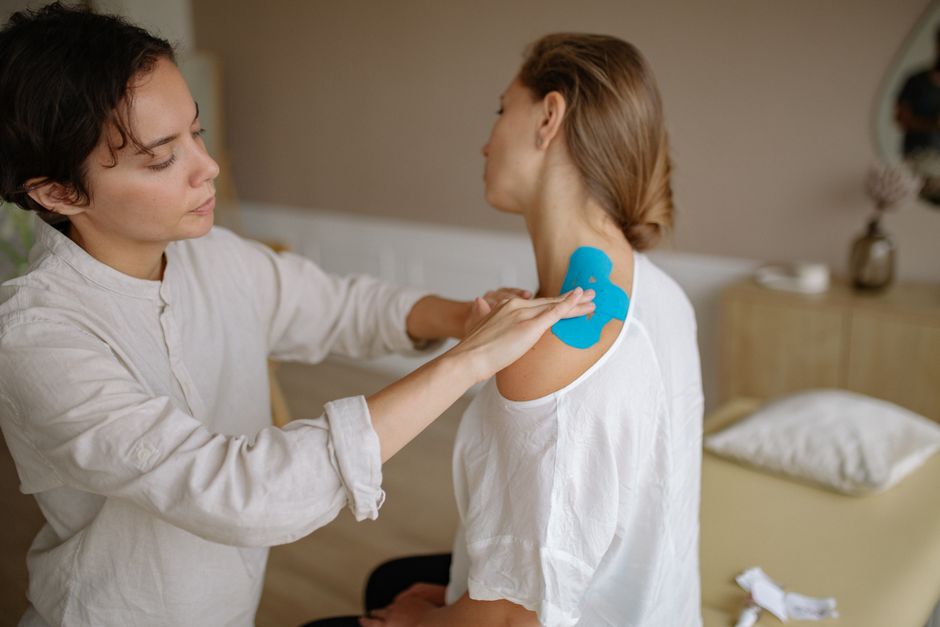
If you're uncertain whether a test went well, or if you're noticing patterns you can't interpret (like swelling that comes and goes unpredictably, or pain that shifts location), a physical therapist or sports medicine professional can watch you perform the movement and give you specific feedback. They can also assess whether your supporting muscles are strong enough for the activity you want to return to, which isn't always obvious from how the movement feels.
If pain worsens noticeably after a test, or if swelling increases significantly, or if you develop new symptoms like instability or a feeling
Safety note: If you have severe pain, significant swelling, a recent injury, fever, numbness, or difficulty bearing weight, speak with a qualified healthcare professional promptly.
Helpful Next Step
As an Amazon Associate, we may earn from qualifying purchases. This does not affect the price you pay.
Helpful Support Option
If this type of knee discomfort shows up during daily movement, light support may help reduce strain on the joint while you work on the underlying cause.
See knee support options on AmazonHelpful Next Step
If gentle support helps during recovery, you can check a simple support option that many people use in daily life. It's worth knowing that how to plan a gentle return to doubles tennis after knee pain follows a very similar pattern and responds to the same kind of approach.
This content is for educational purposes only and does not constitute medical advice. Always consult a qualified healthcare professional for diagnosis and treatment.