🦵 Not sure what's causing it? Take the 5-question knee quiz.
Find My Pattern →How Caregivers Can Track Changes in Knee Mobility
Noticing small shifts in how someone moves—the way they favor one leg getting out of a chair, or how far they can walk before they slow down—is part of caregiving. You're watching for patterns that the person themselves might miss or downplay. Tracking knee mobility changes isn't about measuring degrees of bend or creating a clinical chart. It's about building a clear picture of what's actually happening day to day, so you can spot whether things are improving, staying the same, or getting worse. That clarity matters when talking to a doctor or deciding whether a current approach is working.
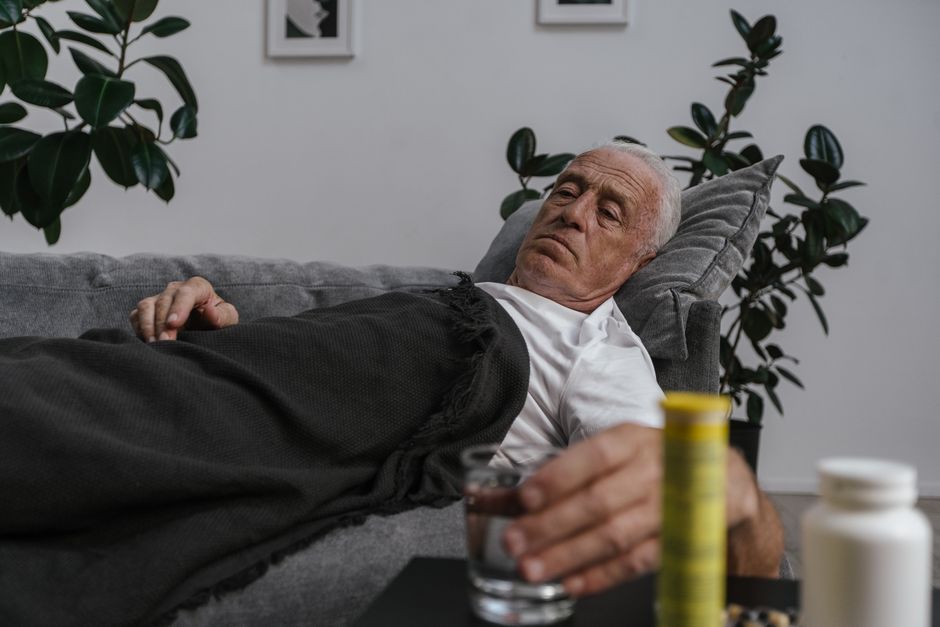
Why mobility shifts over time
🦵 Not sure what's causing your knee pain?
Answer 5 quick questions and get a personalised result.
Find My Pattern → 60 seconds · No sign-upKnee mobility can change for several reasons, and understanding the context helps you track more meaningfully. People dealing with this frequently also notice how to request airport assistance for limited knee mobility, particularly after extended periods of inactivity.
Inflammation and swelling can come and go depending on activity level, time of day, or how much rest the knee got the night before. Morning stiffness is common; the knee may feel tighter right after waking and loosen up after movement. Swelling that appears in the afternoon might mean the person did more weight-bearing activity than usual.
Muscle strength around the knee naturally decreases with inactivity or pain avoidance. If someone stops using their leg normally because it hurts, the muscles supporting the knee weaken, which can make mobility feel worse even if the underlying issue hasn't changed. This creates a cycle where reduced movement leads to reduced strength, which leads to more limited movement.
Scar tissue or stiffness can develop after an injury or period of immobility. Some people experience gradual tightening over weeks if they're not moving the knee through its normal range.
Changes in pain patterns affect how freely someone moves. A person might have the same structural issue but move differently depending on whether they're having a flare-up, whether they took pain medication, or how much sleep they got.
How to observe and record changes
Tracking doesn't require special equipment. It's about consistent, simple observation.
Notice the timing of stiffness. Does the knee feel tighter first thing in the morning, or does it stiffen up after sitting for a while? Does it loosen after 10 minutes of movement, or does it stay tight all day? Write down what time of day mobility feels worst and whether rest or gentle movement helps. Over weeks, patterns emerge. You might realize that the person moves better on days after they've been more active, or worse on mornings after a restless night.
Watch for changes in how they walk. You don't need a gait analysis. Just observe: Are they limping less than last week? Are they putting more weight on the affected leg? Do they need a cane or walker on some days but not others? A simple note like "walked to the mailbox without limping today" or "needed the cane for the first time in three days" gives you concrete markers. Take a photo or video occasionally if the person consents—it's easier to compare movement side by side than to rely on memory.
Track what activities they can do. Can they climb stairs one step at a time, or do they need to go one step at a time with a rail? Can they stand at the kitchen counter for 15 minutes, or do they need to sit after 5? Can they get in and out of the car independently, or do they need help? Keep a simple list of activities and note whether they're easier, harder, or unchanged compared to the previous week. This is concrete and useful information for a doctor.
Document pain during specific movements. Rather than asking "How's your pain?" (which people often answer vaguely), ask about pain with specific actions: "Does it hurt when you go down stairs? Does it hurt when you stand up from the couch? Does it hurt when you're lying down?" Note whether pain happens during the movement, immediately after, or hours later. Delayed pain is important—it can mean the person overdid it the day before, which affects how you plan their activity level.
Keep a simple weekly summary. You don't need to write pages. A few lines once a week can capture the overall trend: "Week of March 10: walked further than last week, still needs help with stairs, swelling down in the afternoons." Over a month, you'll see whether mobility is trending better, worse, or stable.
What to avoid while observing
Don't compare to "normal" mobility. Comparing someone's current knee to how it was five years ago can be discouraging and isn't useful. Compare to one or two weeks ago. That's the relevant timeline for tracking change.
Avoid pushing for movement "to see" what they can do. Testing the knee's limits during a flare-up can cause pain and swelling that sets back progress. Observe during normal activity, not during deliberate tests.
Don't assume consistency day to day. A person might walk fine on Tuesday and struggle on Wednesday for reasons that have nothing to do with the knee—they're tired, they slept poorly, they're stressed. One good day doesn't mean the trend is improving; one bad day doesn't mean it's worsening. Look at the pattern over weeks, not individual days.
Skip the guessing about what caused a change. If mobility suddenly worsens, you don't need to figure out why. Just note that it happened and mention it to a healthcare provider. They can help identify the cause.
When to bring observations to a professional
Your tracking becomes most valuable at a follow-up appointment. Rather than saying "His knee is about the same," you can say "He needed the cane every day last week but only twice this week" or "Stairs have gotten noticeably harder in the past 10 days." Specific observations help a doctor understand whether current treatment is working or whether adjustments are needed. This pattern is related to how to track knee swelling consistently at home, and the same management principles often apply.
Bring your notes or photos if you have them. You don't need to be formal—a few sentences per week is enough.
Safety note: If you have severe pain, significant swelling, a recent injury, fever, numbness, or difficulty bearing weight, speak with a qualified healthcare professional promptly.
Moving forward with what you observe
Tracking mobility changes gives you real data instead of impressions. Over the next week or two, start with one simple observation—maybe just noting the time of day when stiffness is worst, or whether certain activities
Helpful Next Step
As an Amazon Associate, we may earn from qualifying purchases. This does not affect the price you pay.
Helpful Support Option
If this type of knee discomfort shows up during or after prolonged sitting, light compression may help reduce stiffness and support the joint during movement.
See knee compression optionsHelpful Next Step
If gentle support helps during recovery, you can check a simple support option that many people use in daily life. For useful context, how to track which daily tasks aggravate a sore knee tends to have the same mechanical roots and overlapping solutions.
This content is for educational purposes only and does not constitute medical advice. Always consult a qualified healthcare professional for diagnosis and treatment.