🦵 Not sure what's causing it? Take the 5-question knee quiz.
Find My Pattern →How Can I Tell If My Knee Pain is Worsening Over Time Versus Just Having Bad Days?
Sitting down after work, your knee feels almost normal—barely a twinge. Two days later, the same movement sends a sharp ache through it, and you wonder if things are getting worse or if you just overdid it. This back-and-forth is maddening. One week feels manageable, the next feels like you're sliding backward. The question becomes impossible to answer without a way to measure what's actually changing versus what's just noise in an inconsistent day-to-day experience.
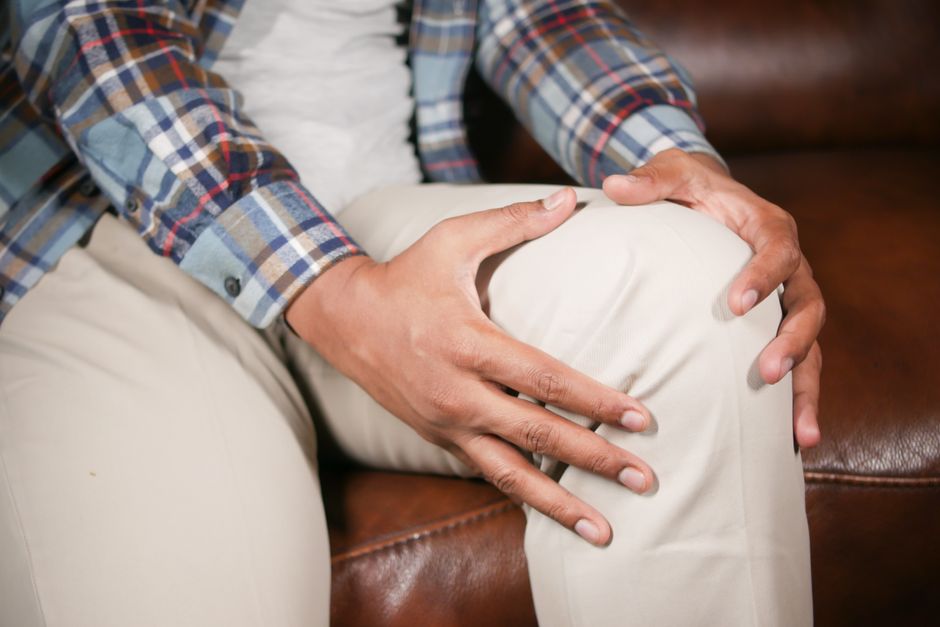
The difference between a bad day and genuine worsening often comes down to patterns, not single moments. A bad day might mean one activity triggered extra soreness. Worsening over time means the baseline itself has shifted—things that used to feel fine now consistently bother you, or the recovery time after activity has stretched longer. Learning to spot that difference can help you decide whether to adjust your routine, try something new, or reach out to a professional.
Why your knee has good days and bad days
🦵 Not sure what's causing your knee pain?
Answer 5 quick questions and get a personalised result.
Find My Pattern → 60 seconds · No sign-upKnee pain rarely stays the same from one day to the next. Several factors can explain why you feel fine one morning and stiff the next, even without doing anything obviously different. People dealing with this frequently also notice how can i tell if my knee is actually improving or just having a good day, particularly after extended periods of inactivity.
Activity from days prior can catch up with you. Your knee might feel okay during a walk, but inflammation builds slowly over hours. You wake up the next morning and it's stiffer than expected. This delayed response means the pain you feel today often reflects what you did two or three days ago, not what you did this morning.
Weather and barometric pressure can influence how joints feel. Many people notice their knees ache more before rain or during cold snaps. This isn't imaginary—changes in air pressure may affect fluid in the joint and surrounding tissues. A rainy week might genuinely feel worse than a sunny one.
Sleep quality and overall fatigue matter more than you might think. Poor sleep the night before can lower your pain tolerance and make existing soreness feel sharper. Stress, hormonal changes, and how much you've been on your feet throughout the week all shift how sensitive your knee feels.
Swelling can fluctuate based on salt intake, hydration, time of day, and activity level. Your knee might be puffy and stiff in the morning, then feel looser by afternoon. This variation is normal, but it can make it hard to know if things are actually progressing or just cycling.
Tracking what's genuinely changing
The clearest way to separate bad days from worsening is to keep simple notes over weeks, not days. You don't need an app or detailed diary—just a few observations.
Write down when pain shows up. Note the activity that triggered it and how long it lasted. Over time, patterns emerge. If stairs used to bother you only after a full day of walking, but now they hurt on a normal morning, that's a shift worth noting. If the pain used to fade within an hour of rest and now takes three hours, that's a change too. The specific activity matters less than whether your response to it has changed.
Rate soreness on a simple scale. Use 1-10, or just "mild," "moderate," "rough." Do this at the same time each day—say, before bed—to reduce the noise of temporary spikes. Over a month, you'll see if your typical baseline has crept upward. A week of 3s and 4s followed by a week of 6s and 7s suggests worsening. A week of 2s, 5s, 3s, 6s, 4s suggests bad days mixed with better ones.
Track what makes it worse and what helps. If heat used to ease soreness but now barely touches it, that's meaningful. If you can do 20 minutes of walking pain-free most days but suddenly can't make it past 10, that's a real change. If your usual recovery routine—ice, rest, gentle movement—stops working as well, pay attention.
Notice swelling separately from pain. Swelling and soreness don't always move together. Your knee might feel fine but look puffy, or feel achy but look normal. If swelling is increasing even on days when pain is mild, that can signal something shifting underneath. Compare how your knee looks at the same time each day—morning is often best for this, before activity and swelling have had time to build.
Watch your range of motion. Can you bend and straighten your knee as easily as you could a month ago? Is there a particular angle that's become harder to move through? These changes often show up before pain gets worse. If you're losing flexibility or noticing new stiffness, that's worth documenting.
What to do while you're monitoring
While you're gathering information about whether things are changing, you can still take steps that may help reduce unnecessary flare-ups. This pattern is related to how can i tell if my knee pain is improving over weeks or months, and the same management principles often apply.
Consistency matters more than intensity. A 20-minute walk most days often feels better than a 45-minute walk once a week, even if the total time is similar. Your knee adapts better to regular, moderate activity than to sporadic intense activity followed by rest.
Ice or heat based on what you notice, not what you think you should do. If ice makes it feel better, use it. If warmth helps, use that. Some people alternate. The goal is to reduce inflammation and ease soreness in the moment, not to follow a rule.
Avoid sudden changes in your routine. If you've been managing fine with your current activity level, don't suddenly add a new exercise or sport without building up gradually. Many people notice worsening pain after they've pushed harder than usual, which can look like progression when it's really just a reaction to overload.
Pay attention to footwear and surfaces. Worn-out shoes or a shift in where you spend your time—more concrete, less carpet—can change how your knee feels without the underlying problem actually worsening. If pain increases only when you're on hard floors or in old shoes, that's useful information.
Keep moving gently on low days. Resting completely might feel right when pain spikes, but gentle movement—walking slowly, easy stretching—often prevents stiffness from setting in. The goal is to stay mobile without pushing.
When to see a professional
If you've been tracking for three to four weeks and your baseline is clearly
Safety note: If you have severe pain, significant swelling, a recent injury, fever, numbness, or difficulty bearing weight, speak with a qualified healthcare professional promptly.
Helpful Next Step
As an Amazon Associate, we may earn from qualifying purchases. This does not affect the price you pay.
Helpful Support Option
If this type of knee discomfort shows up during daily movement, light support may help reduce strain on the joint while you work on the underlying cause.
See knee support options on AmazonHelpful Next Step
If gentle support helps during recovery, you can check a simple support option that many people use in daily life. This pattern is related to how to plan recovery time between active days with knee pain, and the same management principles often apply.
This content is for educational purposes only and does not constitute medical advice. Always consult a qualified healthcare professional for diagnosis and treatment.