🦵 Not sure what's causing it? Take the 5-question knee quiz.
Find My Pattern →How to Plan Recovery Time Between Active Days With Knee Pain
The pattern is familiar: you have a good day, do something you enjoy—a walk, playing with kids, a project around the house—and your knee feels manageable. Then the next day arrives and you're tempted to do it again. Maybe you push through a second active day, and by evening or the following morning, the pain is sharper, the swelling is noticeable, or the stiffness makes you regret the decision. The real challenge isn't managing pain on the active day itself. It's figuring out how much recovery your knee actually needs before you can safely do something again.
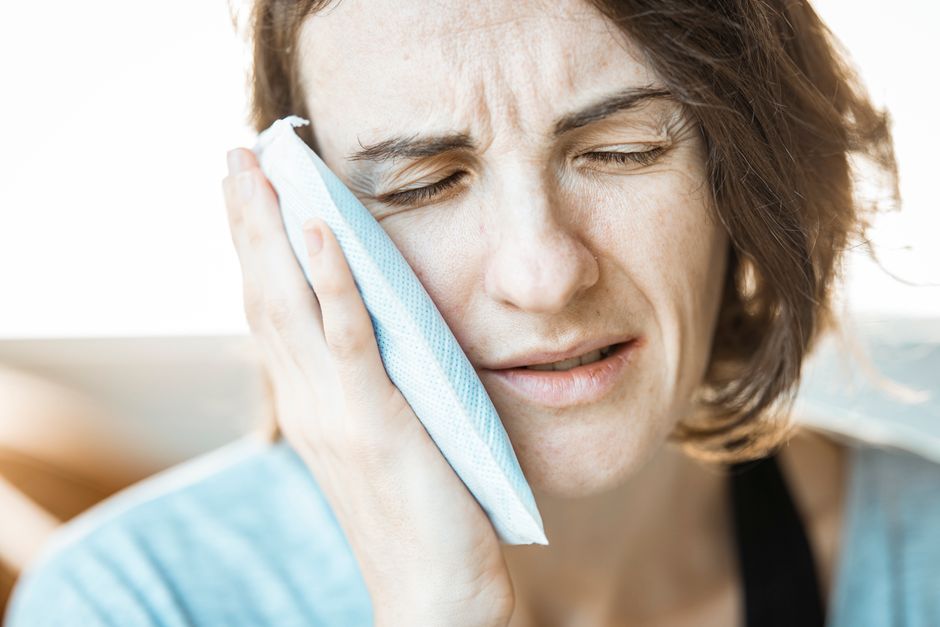
Why your knee needs planned rest between active days
🦵 Not sure what's causing your knee pain?
Answer 5 quick questions and get a personalised result.
Find My Pattern → 60 seconds · No sign-upWhen your knee hurts during or after movement, it's often signaling that the tissues around the joint—tendons, ligaments, cartilage—have experienced more load than they're currently ready for. This doesn't always mean you've caused damage. It can mean inflammation, fatigue in the muscles that stabilize the knee, or fluid buildup that takes time to settle.
The problem with back-to-back active days is that you're not giving these tissues a real chance to recover. Swelling that appears hours after activity often peaks 24 to 48 hours later. If you're active again before that swelling has reduced, you're essentially adding inflammation on top of inflammation. Your body can't catch up. It's worth knowing that how to plan a city break with limited knee walking tolerance follows a very similar pattern and responds to the same kind of approach.
Some people find that their knee feels fine during an activity but hurts afterward—sometimes even hours later. Others notice the pain creeps in gradually as the day goes on. Both patterns suggest that recovery time isn't optional; it's part of managing your knee responsibly right now.
Additionally, muscles around the knee can become fatigued from compensating for pain or instability. A day of rest allows those muscles to recover their strength and stability, which actually protects your knee during your next active period.
Building a realistic recovery schedule
Start by tracking what "active" actually means for you. An hour of walking is different from 20 minutes of walking. Climbing stairs is different from moving around your home. Write down not just what you did, but how your knee felt that evening and the next morning. This gives you real data instead of guessing.
Once you have a few days of observation, try spacing active days with at least one full recovery day in between. On recovery days, you're not immobilized—you can move gently, do light stretching, or walk slowly if it feels comfortable. The goal is to keep moving without loading your knee heavily.
If a full recovery day doesn't seem to help and your pain is still present or worsening on the next active day, extend it to two recovery days between activities. Some people need this rhythm; others find they can manage one recovery day. There's no universal answer, which is why tracking matters.
Consider alternating the type of activity on your active days. If you walked one day, try gentle movement like slow movement around the house the next active day, not another walk. This spreads the stress across different movements and muscles, rather than repeating the same strain.
Pay attention to the time of day you're active. Some people notice their knee tolerates movement better in the morning when swelling is lower. Others find that doing their activity earlier in the day leaves more time for the knee to settle before bed. Evening activity sometimes leads to a painful, stiff night, which then affects the next day.
What to do on recovery days
Recovery days aren't about sitting completely still. Gentle movement often helps more than complete rest. Walking slowly around your home, light stretching that doesn't cause pain, or moving through your normal daily activities at a slower pace can actually support healing.
Elevating your knee when you're sitting or lying down helps reduce fluid buildup. Even 15 to 20 minutes with your leg up on a pillow or cushion can make a difference, especially in the hours after an active day. If you also experience how to plan a gentle return to doubles tennis after knee pain, the two issues often share the same underlying cause.
Ice or cold packs applied for 15 to 20 minutes can reduce swelling and discomfort. Some people find this most helpful in the first few hours after activity; others prefer it later in the day when pain is most noticeable.
Wearing compression—a sleeve or wrap—during recovery days may help manage swelling, though this works better for some people than others. The key is not wrapping so tightly that it restricts circulation.
Avoid activities that load your knee heavily on recovery days. This means no stairs if you can help it, no kneeling, no activities that caused pain the last time you tried them. The point is to let your knee genuinely rest from the specific stress that triggered the pain.
When to talk to a professional
If you've been spacing active days carefully and your pain is still worsening, not improving, or spreading to other parts of your leg, that's a sign to seek professional input. A physical therapist or doctor can assess whether your recovery plan is realistic for your specific situation or whether something else is contributing to the pain.
Also reach out if you're noticing that you need more and more recovery time between shorter and shorter activities. That pattern sometimes indicates that your current approach isn't working and you need guidance tailored to what's actually happening in your knee.
If you're unable to figure out a rhythm that works—if even one recovery day isn't enough, or if you're afraid to be active at all because you can't predict when pain will flare—professional help can give you a clearer picture and a more specific plan.
Safety note: If you have severe pain, significant swelling, a recent injury, fever, numbness, or difficulty bearing weight, speak with a qualified healthcare professional promptly.
Finding your actual rhythm
The honest reality is that planning recovery time is trial and error at first. You might think one recovery day is enough, then realize it isn't. You might discover that your knee does better with two active days per week than three. The goal is to find the pattern that lets you stay active without spending your recovery days managing pain or swelling that could have been prevented.
As you test different schedules, notice not just whether the pain improves, but whether you're sleeping better, whether swelling is reducing, and whether you feel stronger or more stable on your next active day. Those small shifts often matter more than the pain level alone.
Helpful Next Step
As an Amazon Associate, we may earn from qualifying purchases. This does not affect the price you pay.
Helpful Support Option
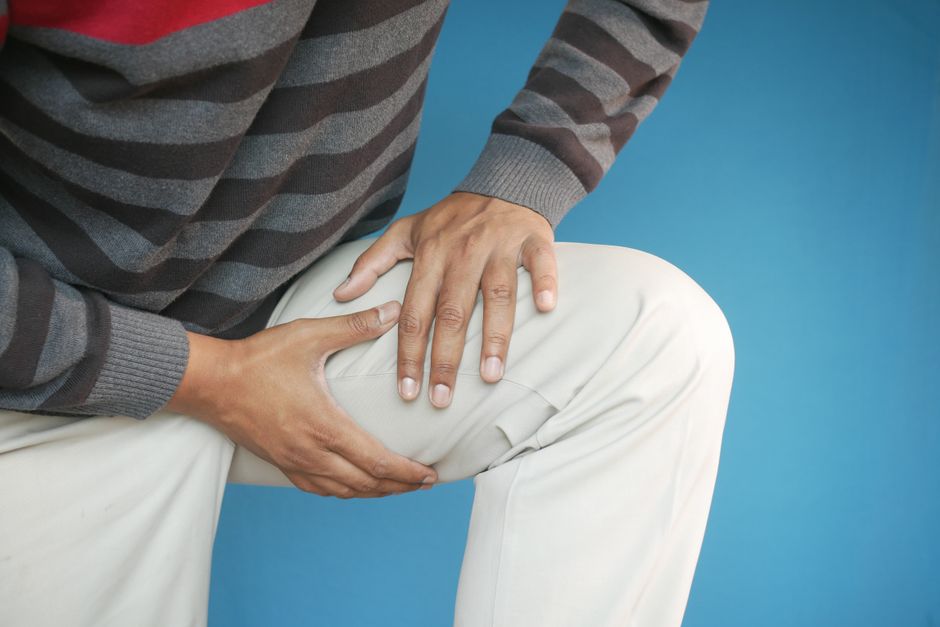
If this type of knee discomfort shows up during daily movement, light support may help reduce strain on the joint while you work on the underlying cause.
See knee support options on AmazonHelpful Next Step
If gentle support helps during recovery, you can check a simple support option that many people use in daily life. There's a close connection between this and how to plan a museum visit with knee pain — the same structures are usually involved.
This content is for educational purposes only and does not constitute medical advice. Always consult a qualified healthcare professional for diagnosis and treatment.