🦵 Not sure what's causing it? Take the 5-question knee quiz.
Find My Pattern →How Can I Maintain Independence While Accepting Help for Activities That Aggravate My Knee?
There's a particular kind of frustration that arrives when your knee pain forces you to ask for help with something you've always done yourself. Carrying groceries upstairs. Kneeling to plant something in the garden. Getting down to play with a child or pet. The physical limitation stings less than the moment you realize you need to ask someone else to do it. The tension between wanting to stay capable and needing to protect your knee from getting worse can feel like choosing between two things you shouldn't have to choose between. But that tension often comes from a misunderstanding about what independence actually means—and how accepting specific help can actually protect the independence that matters most.
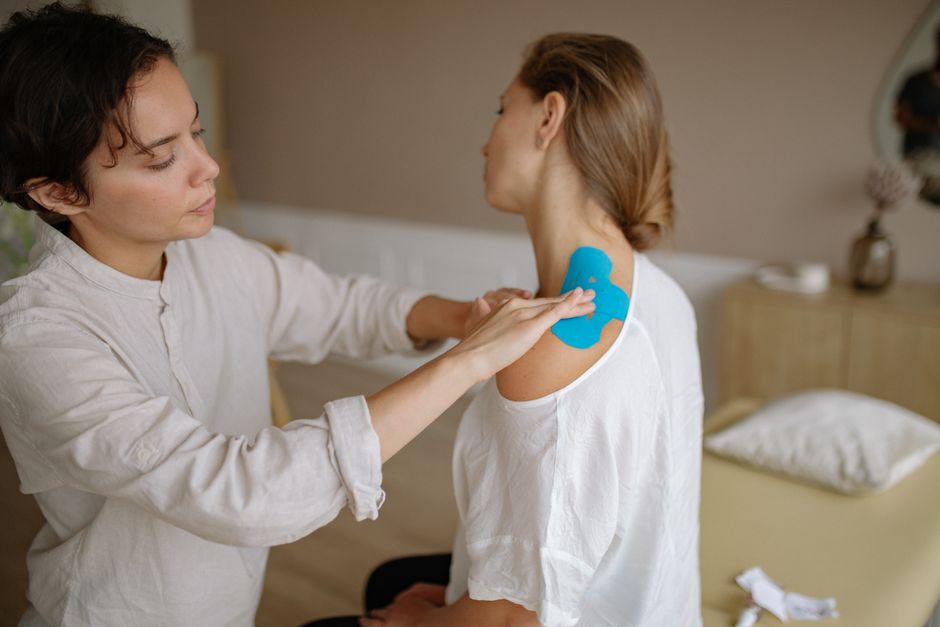
Why certain activities hit your knee harder than others
🦵 Not sure what's causing your knee pain?
Answer 5 quick questions and get a personalised result.
Find My Pattern → 60 seconds · No sign-upYour knee pain likely worsens with specific movements because of the way your knee joint loads weight and moves. Stairs, squatting, kneeling, and repetitive bending all place concentrated pressure on the structures inside your knee—the cartilage, the tendons, the ligaments. Some activities may cause immediate sharp pain; others create a dull ache that builds during the activity and lingers for hours afterward.
The reason varies. You may have irritation in the joint itself from osteoarthritis or cartilage wear. You might have tendon inflammation from overuse or from compensating with other muscles while your knee heals. Sometimes the problem isn't the knee joint at all—it's weakness or tightness in your hip or calf that forces your knee to work harder than it should. In many cases, pain worsens not because the activity is inherently dangerous, but because you're doing it while already fatigued, or you're pushing through pain instead of stopping when it begins. For useful context, how can i help someone else who has knee pain with their daily activities tends to have the same mechanical roots and overlapping solutions.
What matters here is that some activities genuinely do aggravate your knee more than others. That's not weakness. That's information.
Reframing what independence actually means
Accepting help with activities that aggravate your knee isn't the same as losing independence. Independence isn't about doing every single task yourself—it's about maintaining control over your life, your choices, and your future capacity.
Think of it this way: if you push through knee pain to carry groceries upstairs today, you may spend the next three days with increased swelling and pain, which limits what you can do for those three days. You've traded a small ask for help today for a larger loss of capability later. That's not independence. That's borrowing tomorrow's function to pay for today's stubbornness.
Real independence means deciding which activities matter most to you, protecting your ability to do those things, and being strategic about where you accept help. Some people prioritize being able to walk their dog without pain. Others need to be able to work at their job without flaring up. Someone else might focus on playing sports or being able to stand through family gatherings. Those priorities are different for everyone, and they should shape where you ask for help. It's worth knowing that can i keep doing my regular activities if my knee hurts less today than yesterday follows a very similar pattern and responds to the same kind of approach.
Practical ways to stay capable while accepting support
Identify your non-negotiable activities. Write down the things you absolutely need to do yourself—not because you're stubborn, but because they matter to your quality of life or your sense of self. Maybe that's your job, your hobbies, or specific family responsibilities. These are the activities worth protecting your knee for. Everything else is a candidate for help or modification.
Ask for help with the specific aggravating versions of tasks. You don't need help with laundry—you need help carrying the heavy basket up the stairs. You don't need help cooking—you need someone to kneel down and pull things from the low cabinet. Being specific about what you're asking for makes it easier to ask, and it keeps you involved in the activity itself.
Modify before you delegate. Sometimes you can stay independent by changing how you do something. Use a rolling cart instead of carrying. Sit on a low stool instead of kneeling. Take stairs one at a time. Use a grabber tool. These small changes can mean the difference between needing help and managing alone. Try modifications first; ask for help with what modifications can't solve.
Plan for the activities you know will aggravate your knee. If you know that a specific event or task is coming—a day of errands, a family gathering where you'll be on your feet, a project that requires kneeling—you can ask for help preemptively, do gentler activities in the days after, or both. This isn't reacting to pain; it's being strategic about it.
Notice what "helping" actually looks like for you. Some people feel supported by someone doing the task alongside them. Others prefer someone to handle it completely while they rest. Some want to be asked; others want help offered without asking. Communicate what kind of support actually feels good to you, not what you think you should accept.
When to talk with a professional
If you're regularly unable to do activities that matter to you—if your knee pain is expanding to more and more tasks, or if the pain is getting worse rather than staying stable—that's a sign to see a physical therapist or doctor. They can identify whether the problem is something that can improve with targeted exercises, whether you need a different approach to managing inflammation, or whether something else is going on.
Also bring this question to a professional if you're uncertain whether an activity is genuinely risky for your knee or whether you're being overly cautious. Sometimes people avoid things they could safely do, which shrinks their world unnecessarily. A professional can help you understand what's actually aggravating your knee versus what you can safely push yourself with.
Safety note: If you have severe pain, significant swelling, a recent injury, fever, numbness, or difficulty bearing weight, speak with a qualified healthcare professional promptly.
Moving forward with clarity
The goal isn't to do everything yourself. The goal is to stay capable of the things that matter to you, and to do that strategically. That means being honest about which activities genuinely aggravate your knee, which ones you can modify, which ones you're willing to ask for help with, and which ones are worth protecting at all costs.
Start by listing your non-negotiable activities this week. Then notice which tasks aggravate your knee most. The gap between those two lists is where your strategy lives.
Helpful Next Step
As an Amazon Associate, we may earn from qualifying purchases. This does not affect the price you pay.
Helpful Support Option
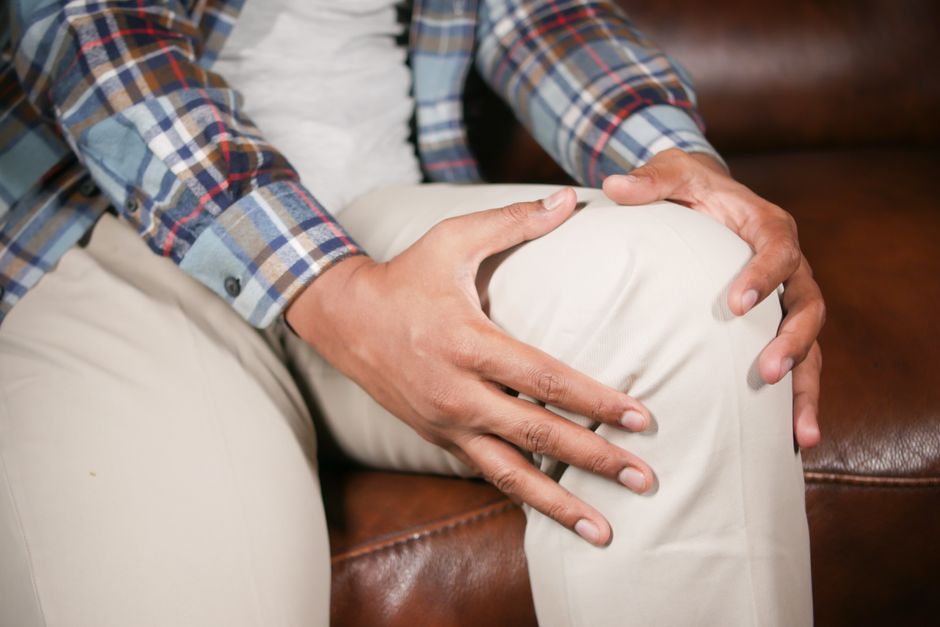
If this type of knee discomfort shows up during or after prolonged sitting, light compression may help reduce stiffness and support the joint during movement.
See knee compression optionsHelpful Next Step
If gentle support helps during recovery, you can check a simple support option that many people use in daily life. This pattern is related to how can i help a partner understand why i need rest days even when i feel okay, and the same management principles often apply.
This content is for educational purposes only and does not constitute medical advice. Always consult a qualified healthcare professional for diagnosis and treatment.