🦵 Not sure what's causing it? Take the 5-question knee quiz.
Find My Pattern →How Can I Describe Your Knee Pain Location and Quality in a Way That Helps Your Doctor Understand What You're Experiencing?
The moment you sit across from your doctor or physical therapist, you realize something: describing where it hurts and how it hurts is harder than you expected. You point vaguely at your knee and say "it's sore," but that tells them almost nothing. Is it the front? The inside? Does it feel like a sharp jab or a constant dull pressure? Your clinician needs specifics to narrow down what's actually happening, and without them, you both end up guessing. Learning to describe your pain precisely—location, quality, timing, behavior—transforms a frustrating appointment into one where your provider can actually help.
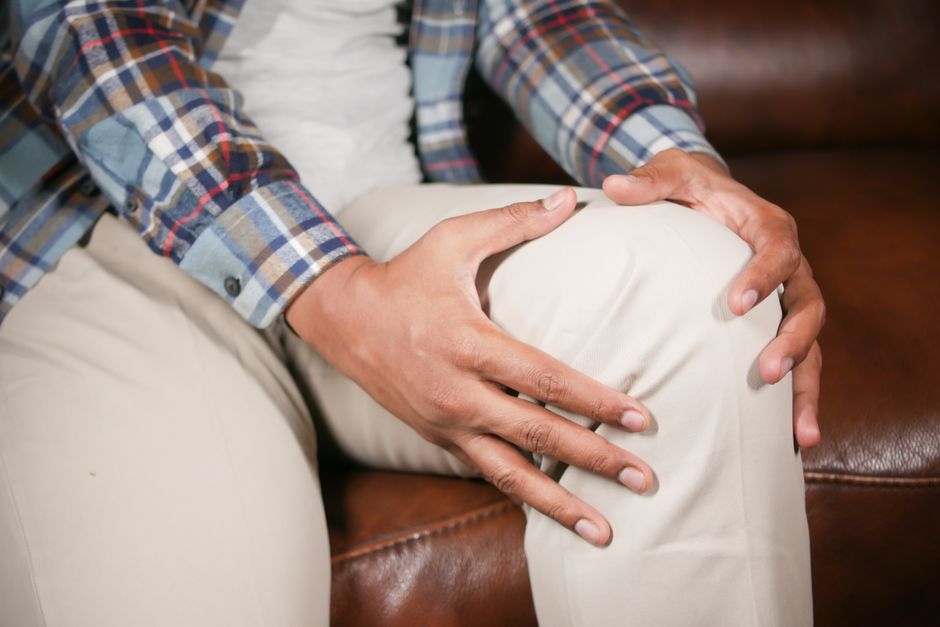
Where exactly the pain lives
🦵 Not sure what's causing your knee pain?
Answer 5 quick questions and get a personalised result.
Find My Pattern → 60 seconds · No sign-upYour knee is made of several distinct areas, and pinpointing which one hurts matters far more than you might think. Doctors listen for these patterns because they often point to different underlying causes.
The front of the knee (the area around your kneecap and below it) feels different from pain on the sides or back. If you can touch the exact spot with one finger, do that. Say "it's here, on the inside of my kneecap" or "right where my kneecap meets the top of my shin." If it's more spread across the whole front, that's worth mentioning too.
The inner knee (toward your other leg) versus the outer knee (away from your body) are completely different issues. Run your hand along the inside edge of your knee. Can you feel where it hurts? That's useful information. Same with the outside—is the pain on the bony part or deeper inside?
Behind the knee is its own story. Pain back there often feels hidden, and people sometimes miss it because it's not visible. If you feel it when you bend your knee or when you're sitting with your leg straight, mention that.
The upper part of the knee (where your thigh meets your knee) or lower part (where your shin begins) also tell different stories.
The most helpful thing you can do: use your own finger to point to the exact spot where pain starts. If it's spread across a region, trace the area with your finger. Your doctor can see what you mean far better than any vague description. People dealing with this frequently also notice how do i describe my knee pain in a way a clinician will understand, particularly after extended periods of inactivity.
The actual sensation—what it feels like
Pain isn't just pain. The quality of what you're experiencing narrows things down significantly.
Sharp or stabbing pain—the kind that makes you catch your breath or wince—often suggests something acute or a pinched structure. It might come and go quickly or flare up with certain movements.
Dull, achy, or throbbing sensations often point to inflammation or overuse. This is the pain that sits with you, the one you notice more when you're resting or at night.
Tight or stiff feelings, especially first thing in the morning or after sitting, suggest your knee needs movement to loosen up. This is different from pain that gets worse with activity.
Burning sensations can indicate nerve involvement or specific tissue irritation.
Heavy or weak feelings—where your knee feels like it might give out or buckle—matter a lot to your clinician. That's different from actual pain.
When you talk to your doctor, use the words that actually describe what you feel. Don't try to sound medical. "It feels like a sharp pinch when I go down stairs" is infinitely more useful than "I have anterior knee pain."
When the pain shows up and what makes it worse or better
Your clinician will ask when it hurts, and your answer shapes their thinking. Does it hurt first thing in the morning, or does it build as the day goes on? Does it start immediately with activity, or does it creep in after you've been moving for twenty minutes?
Notice what makes it worse. Does climbing stairs trigger it? Sitting with your knee bent? Specific sports or movements? Can you identify the exact motion that causes a flare?
Just as important: what makes it better? Does it ease up with rest? Ice? Keeping your leg straight? Moving around? Taking a day off from a particular activity? These patterns are diagnostic gold.
If you can, keep a simple note on your phone for a few days before your appointment. Write down: what time the pain started, what you were doing, how intense it was on a scale of 1–10, and what you did that helped or made it worse. Your doctor doesn't need a novel—just patterns. There's a close connection between this and whats the best way to describe my knee pain patterns to a new clinician — the same structures are usually involved.
Bringing it all together for your appointment
Write down your description before you go in. It doesn't have to be long. Something like: "Sharp pain on the inside of my knee, right where my kneecap ends. It starts after I've been running for about 15 minutes and eases up when I ice it. Worst in the morning after I've been sitting all night."
That single paragraph tells your clinician far more than a general complaint. Bring your phone notes if you kept them. Visual descriptions help: "It feels like someone's pinching the side of my knee" or "It's a deep, achy throb in the back."
Don't worry about getting the medical terminology right. Your job is to describe your experience. Your clinician's job is to interpret it.
Safety note: If you have severe pain, significant swelling, a recent injury, fever, numbness, or difficulty bearing weight, speak with a qualified healthcare professional promptly.
Moving forward with clarity
The better you describe what's happening, the faster your clinician can move toward figuring out what's causing it. Before your next appointment, spend a few minutes noticing: Where exactly does it hurt? What does it feel like? When does it show up? What changes it? Write those answers down. That's the conversation starter that actually works.

Helpful Next Step
As an Amazon Associate, we may earn from qualifying purchases. This does not affect the price you pay.
Helpful Support Option
If this type of knee discomfort shows up during daily movement, light support may help reduce strain on the joint while you work on the underlying cause.
See knee support options on AmazonHelpful Next Step
If gentle support helps during recovery, you can check a simple support option that many people use in daily life. For useful context, how can i help a partner understand why i need rest days even when i feel okay tends to have the same mechanical roots and overlapping solutions.
This content is for educational purposes only and does not constitute medical advice. Always consult a qualified healthcare professional for diagnosis and treatment.