🦵 Not sure what's causing it? Take the 5-question knee quiz.
Find My Pattern →What's a Realistic Activity Baseline I Can Maintain Even During Flares?
Mornings feel fine—you move around the kitchen, make coffee, feel almost normal. Then by afternoon your knee starts to tighten, or you climb stairs and feel a sharp pull, or you sit for too long and standing up becomes awkward. The frustration isn't just the pain itself. It's the uncertainty. Some days you can walk twenty minutes. Other days ten feels like pushing it. You want to know: what can I actually count on doing, even when things flare up? What's the floor—the absolute baseline I won't lose?
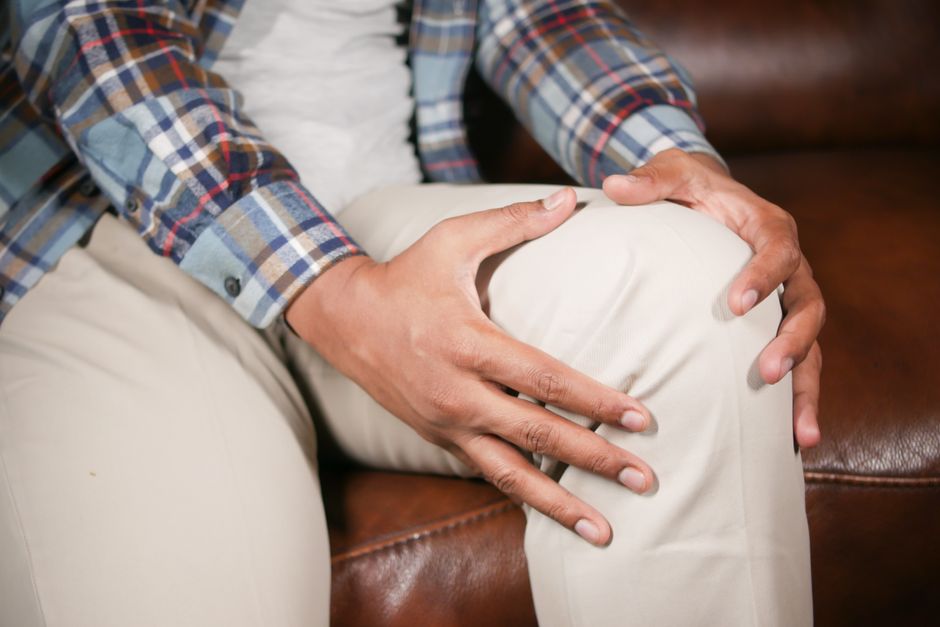
That question matters because it's the difference between feeling helpless during a flare and feeling like you still have something you can do. A realistic baseline isn't about pushing through pain or pretending flares don't happen. It's about finding the activities that stay available to you even on harder days, so you're not sitting still wondering if you're making things worse. People dealing with this frequently also notice how can i maintain friendships when i have to cancel social plans due to knee flares, particularly after extended periods of inactivity.
Why your activity tolerance shifts day to day
🦵 Not sure what's causing your knee pain?
Answer 5 quick questions and get a personalised result.
Find My Pattern → 60 seconds · No sign-upKnee pain rarely behaves like a light switch. Several things can explain why your baseline feels slippery:
Inflammation timing. Swelling doesn't always peak immediately after activity. Sometimes you feel fine during an activity and then a few hours later—or even the next morning—your knee feels heavier and tighter. This delayed response can make it hard to know what actually triggered a flare. You might walk for thirty minutes on Tuesday and feel great, then walk the same distance Wednesday and feel sore by evening. The difference might be how much you rested Tuesday, what you did Monday, or even how you slept.
Load and position sensitivity. Your knee may tolerate gentle movement but protest specific angles or weights. Climbing stairs might bother you while walking on flat ground doesn't, or vice versa. Sitting with your knee bent at a certain angle for too long can create stiffness that feels like a flare when you stand up. These position-specific sensitivities mean your baseline isn't just "how much activity" but "what kind of activity."
Cumulative stress. A flare often isn't about one thing you did. It's about the week you had—multiple days of activity, standing longer than usual, or even stress and poor sleep catching up. Your knee's tolerance shrinks when you're tired or stressed, even if nothing changed physically.
Individual variation. Some people's knees calm down quickly after a flare. Others take days. Some have predictable triggers; others seem random. This is normal. It means your baseline will be personal to you, not something you can copy from someone else's experience.
How to identify what you can reliably do
Finding your real baseline takes observation, not guessing.
Start with what you can do pain-free on your worst days. Not your best days—your worst. Think about a day when your knee felt most irritated. What were you able to do without making it worse? Could you walk slowly around your home? Sit and do desk work? Stand while cooking? That activity is closer to your true baseline because it's something you can likely repeat even during a flare. Write it down. Be specific about duration and sensation—"I can walk around the house for ten minutes without sharp pain" is more useful than "I can walk."
Test the same activity multiple times before deciding it's safe. Do it once and feel fine? That doesn't mean it's baseline-safe. Try it again a few days later, and again the following week. If you can repeat it without triggering a flare, it's probably in your baseline zone. If it consistently irritates your knee, it's not—even if it felt okay once.
Notice what feels different between a flare and normal. During a flare, your baseline activities might feel slightly uncomfortable but not painful, or they might feel fine but your knee feels "heavy" or "stiff" afterward. That's different from activities that cause sharp pain or swelling. Your baseline includes things that feel tolerable even when your knee isn't at its best.
Build in a buffer. If you find you can comfortably walk for fifteen minutes, your baseline might be ten. That buffer protects you from accidentally overdoing it on a day when your knee is already irritated. It also gives you room to do a little more on good days without guilt.
Track what you do and how you feel. You don't need an app or journal—a few notes on your phone work. "Walked 15 min, felt tight after but no pain" or "Sat at desk 3 hours, knee stiff when I stood" help you see patterns you'd otherwise miss. After a few weeks, you'll see which activities are truly in your baseline and which ones are risky.
What to be cautious about during flares
During a flare, some activities can make things worse. Others just feel uncomfortable but aren't harmful. The difference matters. It's worth knowing that how to set a practical activity baseline when knee symptoms vary follows a very similar pattern and responds to the same kind of approach.
Avoid activities that cause sharp or increasing pain. If something hurts acutely while you're doing it, stop. That's different from mild discomfort. Sharp pain is your knee's way of saying that movement isn't safe right now.
Be careful with new activities. A flare is not the time to try something you've never done before or to increase intensity. Stick to what you know your knee tolerates.
Don't assume stillness is always safer. Staying completely still during a flare can actually make stiffness worse and slow recovery. Gentle, pain-free movement is often better than no movement. The key is gentle and pain-free.
Watch for swelling as a signal. Mild swelling might be normal for you. Significant new swelling, warmth, or redness suggests you should talk to a professional before continuing your usual activities.
When to check in with a professional
If your flares are becoming more frequent, lasting longer, or triggered by activities that used to feel fine, that's worth discussing with a physical therapist or doctor. They can help you understand what's actually happening and whether your baseline needs to shift.
Also talk to a professional if:
- You're noticing swelling, warmth, or redness alongside pain
- Your baseline activities are triggering sharp pain, not just discomfort
- You're unable to do basic daily tasks like climbing stairs or walking to the car
Safety note: If you have severe pain, significant swelling, a recent injury, fever, numbness, or difficulty bearing weight, speak with a qualified healthcare professional promptly.
Helpful Next Step
As an Amazon Associate, we may earn from qualifying purchases. This does not affect the price you pay.
Helpful Support Option
If this type of knee discomfort shows up during daily movement, light support may help reduce strain on the joint while you work on the underlying cause.
See knee support options on AmazonHelpful Next Step
If gentle support helps during recovery, you can check a simple support option that many people use in daily life. It's worth knowing that should i be concerned if one knee hurts more than the other during the same activity follows a very similar pattern and responds to the same kind of approach.
This content is for educational purposes only and does not constitute medical advice. Always consult a qualified healthcare professional for diagnosis and treatment.