🦵 Not sure what's causing it? Take the 5-question knee quiz.
Find My Pattern →What Signs Indicate My Knee Pain Might Be Related to Something Other Than Overuse?
You've been managing your knee pain for weeks, maybe months. You assumed it came from that extra running, or standing too long at work, or the weekend you spent gardening. But something feels different now. The pain doesn't match the activity—it shows up at odd times, or it's worse in ways you didn't expect, or it arrived suddenly without any clear cause. That's when the question surfaces: is this actually overuse, or is something else going on?
Overuse pain typically builds gradually and connects directly to what you did. Other types of knee pain often have different patterns, different triggers, and different warning signs. Learning to spot those differences matters because it changes what you should try and when you should get professional help.
Signs that point beyond simple overuse
🦵 Not sure what's causing your knee pain?
Answer 5 quick questions and get a personalised result.
Find My Pattern → 60 seconds · No sign-upPain that arrives suddenly without a clear trigger often signals something other than overuse. You might have been sitting normally, walking at your usual pace, or doing nothing at all when sharp pain appeared. Overuse usually develops over days or weeks; sudden onset suggests inflammation, a structural issue, or an irritation that isn't about doing too much. It's worth knowing that how do i explain to family members why i can do something one day but not the next follows a very similar pattern and responds to the same kind of approach.
Swelling that appears quickly or stays persistent also differs from typical overuse. Overuse swelling tends to be mild and localized. Significant swelling—especially if your knee looks puffy, feels warm, or the swelling appears within hours of activity—can indicate fluid buildup, inflammation from an underlying condition, or a joint issue that needs attention.
Pain that wakes you at night or makes it difficult to sleep suggests something beyond fatigue. Overuse pain usually improves with rest and feels better when you're not moving. If your knee throbs, aches, or feels unstable when you're trying to sleep, that pattern points toward inflammation, arthritis, or structural problems that don't simply resolve with reduced activity.
Instability—a sensation that your knee might give way, buckle, or feel unreliable—rarely comes from simple overuse. You might feel this when walking on flat ground, turning, or even sitting. This sensation often indicates ligament involvement, cartilage damage, or muscle weakness that's tied to an injury or condition rather than just doing too much.
Pain that doesn't improve with rest can be telling. If you've reduced your activity significantly for a week or two and the pain hasn't eased, overuse alone probably isn't the cause. Many other conditions—inflammation, infection, arthritis, nerve involvement—won't improve just because you're moving less.
What you can observe and try carefully
Start tracking the exact timing of your pain with more precision. Note whether it hurts first thing in the morning, gets worse as the day goes on, shows up only with specific movements, or appears at random times. Write down what you were doing in the 30 minutes before pain started. This pattern information helps distinguish between overuse and other causes, and it gives a healthcare provider real details to work with.
Pay attention to swelling patterns separately from pain. Does swelling appear immediately after activity or hours later? Does it go down overnight or stay around? Does your knee feel warm or look red? These observations can suggest inflammatory conditions, fluid buildup, or circulation issues that differ from overuse swelling. People dealing with this frequently also notice is it normal for one knee to hurt while the other feels fine, particularly after extended periods of inactivity.
Apply ice or heat and notice which one actually helps. Many people find ice reduces swelling from overuse, while heat soothes stiffness from arthritis or inflammation. If neither helps, or if the pain actually worsens with either approach, that's information worth noting. Some conditions respond poorly to basic temperature management, which can point toward something that needs professional evaluation.
Try gentle range-of-motion movements—slow, pain-free circles or small bends—without any weight-bearing or resistance. Notice whether movement helps (suggesting stiffness) or makes pain worse (suggesting inflammation or structural irritation). Overuse often improves slightly with gentle movement; other conditions may worsen.
Observe how your knee responds to compression. A snug (not tight) compression sleeve or wrap can help reduce swelling from overuse. If compression makes the pain worse or doesn't affect swelling at all, that's a clue that something else may be happening.
When to reach out to a healthcare professional
If any of these signs are present, don't wait to see someone:
You can't put weight on your knee, or it feels too unstable to trust. You have significant swelling that appeared quickly. You have pain that doesn't improve with a few days of rest and basic care. You notice redness, warmth, or fever alongside knee pain—these can signal infection. Your pain is severe enough that it's affecting sleep or daily function. You have numbness, tingling, or a pins-and-needles sensation in your lower leg or foot. Your pain arrived suddenly without an injury you can identify. You've had this pain for more than a few weeks and it's not improving.
Safety note: If you have severe pain, significant swelling, a recent injury, fever, numbness, or difficulty bearing weight, speak with a qualified healthcare professional promptly.
Moving forward with clarity
The key difference between overuse and other knee pain comes down to patterns. Overuse follows a predictable path: you do more activity, pain builds, rest helps, you gradually return to normal. Other causes often break that pattern—they arrive unexpectedly, respond unpredictably to rest, or come with signs like instability or significant swelling.
Before your appointment, keep that simple log of when pain happens, what makes it better or worse, and any other symptoms you notice. This information helps a professional narrow down what's actually happening in your knee, which matters because the next steps depend entirely on the cause. What works for overuse won't work for arthritis, infection, or a ligament issue. Getting clarity on which one you're dealing with is the practical next step.
Safety note: If you have severe pain, significant swelling, a recent injury, fever, numbness, or difficulty bearing weight, speak with a qualified healthcare professional promptly.
Helpful Next Step
As an Amazon Associate, we may earn from qualifying purchases. This does not affect the price you pay.
Helpful Support Option
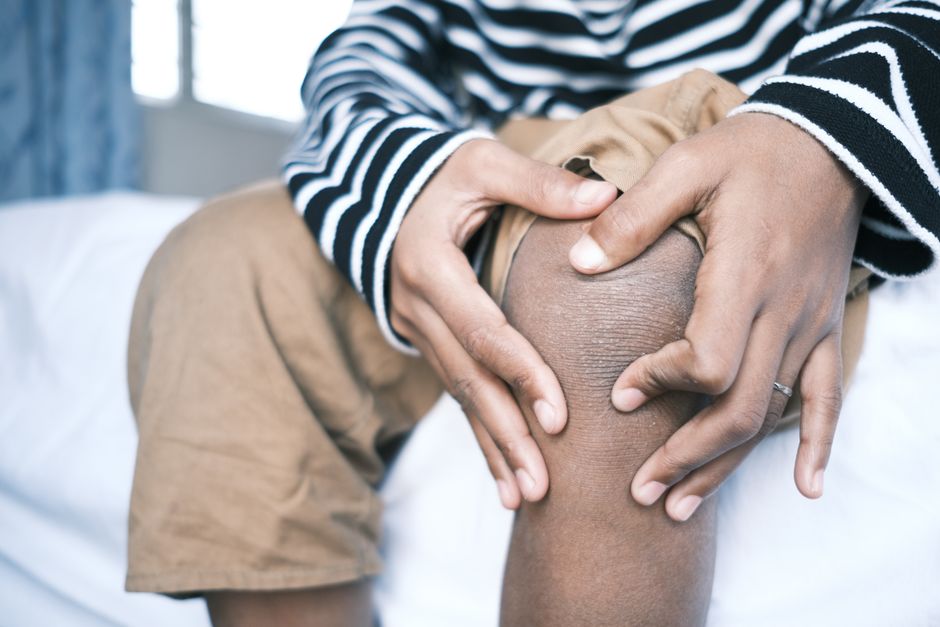
If this discomfort shows up during daily walking or standing, a compression sleeve may help reduce load on the joint during movement while the underlying cause is addressed.
See walking knee support optionsHelpful Next Step
If gentle support helps during recovery, you can check a simple support option that many people use in daily life. People dealing with this frequently also notice knee pain when bending to pick something up, particularly after extended periods of inactivity.
This content is for educational purposes only and does not constitute medical advice. Always consult a qualified healthcare professional for diagnosis and treatment.