🦵 Not sure what's causing it? Take the 5-question knee quiz.
Find My Pattern →What Are Realistic Expectations for Knee Function After Physical Therapy?
Six weeks into physical therapy and your knee feels different—less angry, maybe—but you're wondering if this is what "better" actually looks like. You can walk further without pain, stairs don't make you wince, but you're not back to running or hiking or whatever you used to do without thinking about it. So when does physical therapy count as successful? And what should you realistically expect your knee to do once you finish?

Why progress can plateau or feel incomplete
🦵 Not sure what's causing your knee pain?
Answer 5 quick questions and get a personalised result.
Find My Pattern → 60 seconds · No sign-upPhysical therapy works differently than you might imagine. It's not like taking an antibiotic where the infection clears and you're done. Instead, your knee is learning to move differently, your muscles are rebuilding strength they've lost, and your nervous system is recalibrating what feels safe. That process takes time—often longer than the formal therapy sessions themselves.
Several things can shape what your knee can realistically do afterward. If your pain came from muscle weakness around the knee, therapy can restore a lot of function, but only if you keep doing the work. If cartilage damage or structural changes are involved, physical therapy can help you move better and hurt less, but it can't rebuild cartilage—so your ceiling for activity might be different than before the problem started. Some people have movement patterns that contributed to the original injury, and changing those patterns takes months of conscious effort, not just weeks of supervised exercises. Age matters too: a 30-year-old and a 65-year-old doing the same therapy often see different timelines and endpoints, and that's normal, not a sign something went wrong. For useful context, how do i know if physical therapy is actually helping my knee tends to have the same mechanical roots and overlapping solutions.
What "functional" actually means after therapy
Here's the part that surprises most people: you might finish physical therapy and still not feel 100% like your old self. That doesn't mean it failed.
Realistic function after physical therapy often means you can do daily tasks without pain or with manageable discomfort. Climbing stairs at a normal pace, walking for 30 or 45 minutes without your knee swelling up afterward, standing in the kitchen cooking, sitting through a movie without stiffness—these count as wins. For some people, it means returning to their job without modification. For others, it means you can hike again, though maybe not the steep 10-mile trail you used to do.
What it might not mean: pain-free running within weeks, the exact same athletic performance as before, or zero awareness of your knee ever again. Many people return to activity after therapy but notice their knee on days when they overdo it. That's not failure. That's your body telling you it still needs respect.
Tracking what's actually changing
The tricky part is knowing whether you're genuinely improving or just adapting to pain. A few things to notice:
Range of motion often improves early. You might notice you can bend your knee further or straighten it more fully within the first 3–4 weeks. This is measurable and real, even if your pain hasn't shifted much yet.
Swelling patterns change before strength does. If your knee used to swell by evening and now it only swells after specific activities, that's progress. Write down when swelling appears—after what activity, how long it lasts, whether ice or elevation helps. Your therapist can see patterns you might miss.
Your pain threshold for activity gradually increases. The walk that caused pain at 15 minutes might now cause pain at 25 minutes. Or it might cause pain at 25 minutes but the pain is duller, less sharp. These shifts are real even though they feel small.
Strength gains show up in how you move, not just in how much weight you can lift. Can you stand on one leg longer? Can you go down stairs without holding the railing? Can you get up from a chair without pushing with your hands? These matter more than numbers on a machine.
What to watch for as therapy ends
As you approach the end of formal physical therapy, pay attention to what happens when you stop going. Some people feel fine for weeks, then notice their knee getting stiffer or pain creeping back. Others maintain improvements without much effort. The difference usually comes down to whether you keep doing at least some of the exercises at home.
Ask your therapist specifically: which exercises should I do forever, and which ones were just for this phase? Some exercises are maintenance (you'll do them indefinitely), and some were rehabilitation (you can stop once you've rebuilt strength). Knowing the difference changes everything. It's worth knowing that how to choose a realistic walking route with knee pain follows a very similar pattern and responds to the same kind of approach.
Also notice what activities feel sustainable. If you can walk 45 minutes without pain but feel it the next day, you've found your current edge. That's useful information. You can gradually push past it, but pushing too fast often brings pain back.
When to reassess with a professional
Physical therapy doesn't always work the same way for everyone, and sometimes what seemed like a straightforward knee problem turns out to be more complicated.
Speak with your therapist or doctor if you finish a course of therapy and your pain hasn't improved at all, or if it's gotten worse. If you can do the exercises without pain but pain appears during normal activities like walking or sitting, that mismatch is worth discussing. If swelling is persistent or increasing despite therapy, that needs attention. And if you're unsure whether you're making progress or just getting used to pain, that confusion is worth clarifying with someone who can assess your knee directly.
Safety note: If you have severe pain, significant swelling, a recent injury, fever, numbness, or difficulty bearing weight, speak with a qualified healthcare professional promptly.
Moving forward realistically
Realistic expectations for knee function after physical therapy depend on what caused the problem, how long it's been going on, and how consistently you do the work. Most people find they can return to daily activities and moderate exercise, though the timeline varies. Some people need ongoing maintenance exercises to keep improvements stable. Others find that once strength returns and movement patterns shift, their knee stays better without much effort.
The useful question isn't "Will I be completely normal?" but rather "What activities matter most to me, and can my knee do those without significant pain?" That answer often shifts as you progress through therapy, and it's worth revisiting with your therapist as you near the end of formal sessions.
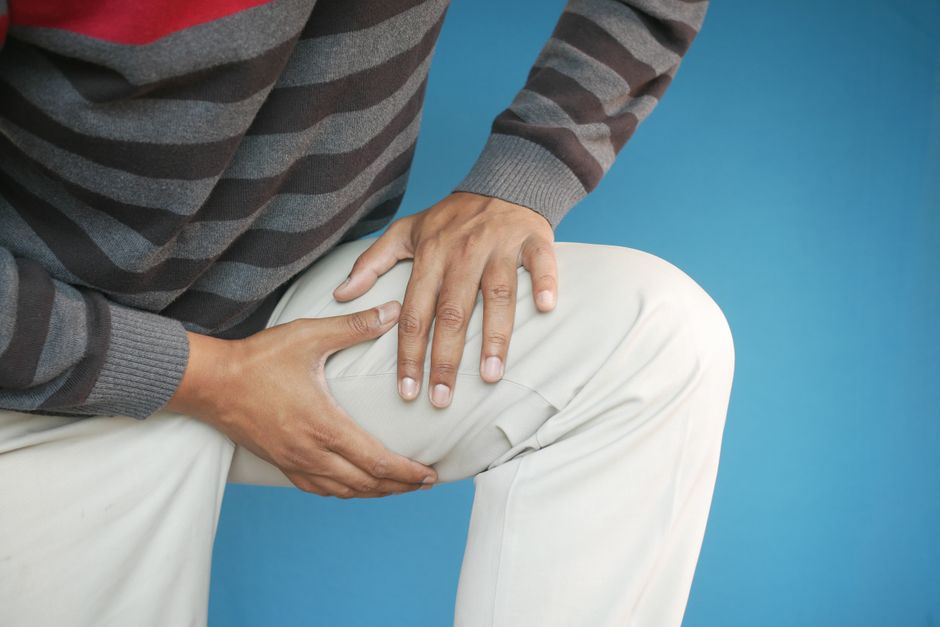
Helpful Next Step
As an Amazon Associate, we may earn from qualifying purchases. This does not affect the price you pay.
Helpful Support Option
If this type of knee discomfort shows up during daily movement, light support may help reduce strain on the joint while you work on the underlying cause.
See knee support options on AmazonHelpful Next Step
If gentle support helps during recovery, you can check a simple support option that many people use in daily life. This pattern is related to how to measure whether knee function is improving week to week, and the same management principles often apply.
This content is for educational purposes only and does not constitute medical advice. Always consult a qualified healthcare professional for diagnosis and treatment.