🦵 Not sure what's causing it? Take the 5-question knee quiz.
Find My Pattern →Pain on Inner Side of Knee When Bending
Bending your knee and feeling a sharp pinch or dull ache on the inside—that tender area between your inner thigh and shin—can make you hesitate before sitting down, climbing stairs, or even getting out of a car. The pain might appear only when you bend past a certain angle, vanish the moment you straighten, and leave you wondering if you've done something wrong or if it's just going to get worse. What makes this particular pain frustrating is that it often feels fine when you're walking normally, then suddenly catches you off guard in specific positions.
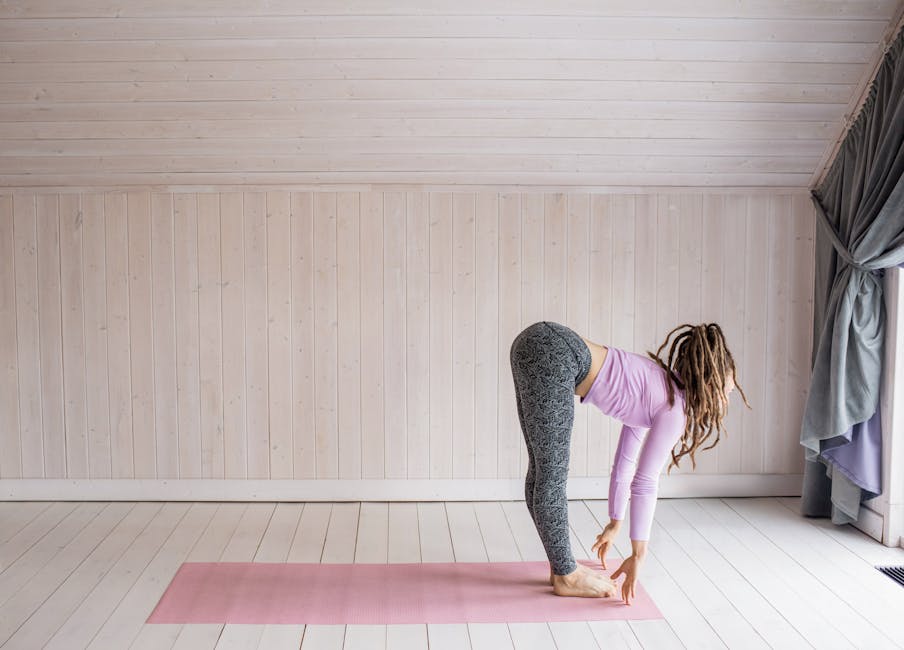
Why the inner side of your knee hurts when bending
🦵 Not sure what's causing your knee pain?
Answer 5 quick questions and get a personalised result.
Find My Pattern → 60 seconds · No sign-upPain on the inside of the knee during bending can come from several different structures, and pinpointing which one matters for your next steps.
The medial collateral ligament (MCL) runs along the inner side of your knee and helps stabilize it during movement. When you bend your knee, this ligament is under tension. If it's been strained—sometimes from a twisting motion you barely remember, or from repetitive stress—bending can trigger a dull, localized ache that feels like it's right on the inner edge of the joint. If you also experience clicking knee with pain when bending, the two issues often share the same underlying cause.
Your meniscus, a piece of cartilage that acts like a shock absorber inside the knee, can also be a source of inner knee pain. When a meniscus is irritated or partially torn, bending often triggers a sharper sensation, sometimes accompanied by a catching or pinching feeling at a specific angle. You might notice the pain appears only when you bend to, say, 70 degrees, but not at 50 or 90—that specificity is a clue worth paying attention to.
Inflammation of the tissues around the inner knee joint can develop from overuse, a change in activity level, or even from compensating for pain elsewhere. This type of pain often feels like a dull ache that worsens after sitting for hours, then gradually improves as you move around and warm up the joint.
Less commonly, osteoarthritis of the knee can cause inner-sided pain, particularly if you notice morning stiffness that takes time to loosen, or if the pain has been gradually worsening over months rather than appearing suddenly.
What you can try at home
Start by noticing your pain pattern. Keep track of when it hurts most—does it flare after certain activities, or is it worse at specific times of day? Does bending to a particular angle trigger it? This information becomes valuable if you eventually see a professional.
Apply ice to the inner side of your knee for 15 to 20 minutes after activity, especially if you notice swelling. Cold can reduce inflammation and numb the area temporarily. Many people find it helpful to ice after they've been active rather than before, since movement often warms the joint naturally.
Gentle movement, done carefully, can sometimes help more than complete rest. Walking at an easy pace may feel better than sitting still, because movement can reduce stiffness. However, avoid activities that specifically trigger the pain—if stairs hurt, use a ramp or elevator for now. The goal isn't to push through pain; it's to stay mobile without aggravating the injury. There's a close connection between this and inner knee pain when crossing legs — the same structures are usually involved.
Modify how you bend. If squatting causes sharp pain but a partial squat doesn't, stick with the partial squat for now. Avoid deep lunges, kneeling, or prolonged sitting with your knee bent at tight angles. Small adjustments to your daily movements—like using a higher chair, avoiding cross-legged sitting, or taking stairs one at a time—can make a real difference in how much pain you experience throughout the day.
Over-the-counter anti-inflammatory medication can help reduce swelling and pain, though it works best when combined with activity modification rather than as a substitute for it. If you use medication, follow the package directions and speak with a pharmacist if you have questions about interactions with other medications.
When to see a healthcare professional
If your pain appeared suddenly after an injury, or if it's accompanied by significant swelling, instability (a feeling that your knee might give way), or a locking or catching sensation that prevents full movement, contact a healthcare provider. These signs can indicate a ligament or meniscus injury that benefits from professional assessment.
Pain that doesn't improve after two to three weeks of home care, or pain that worsens despite your efforts to modify activity, deserves professional attention. The same applies if you notice the pain spreading to other areas of your knee or leg, or if you develop numbness or tingling.
Safety note: If you have severe pain, significant swelling, a recent injury, fever, numbness, or difficulty bearing weight, speak with a qualified healthcare professional promptly.
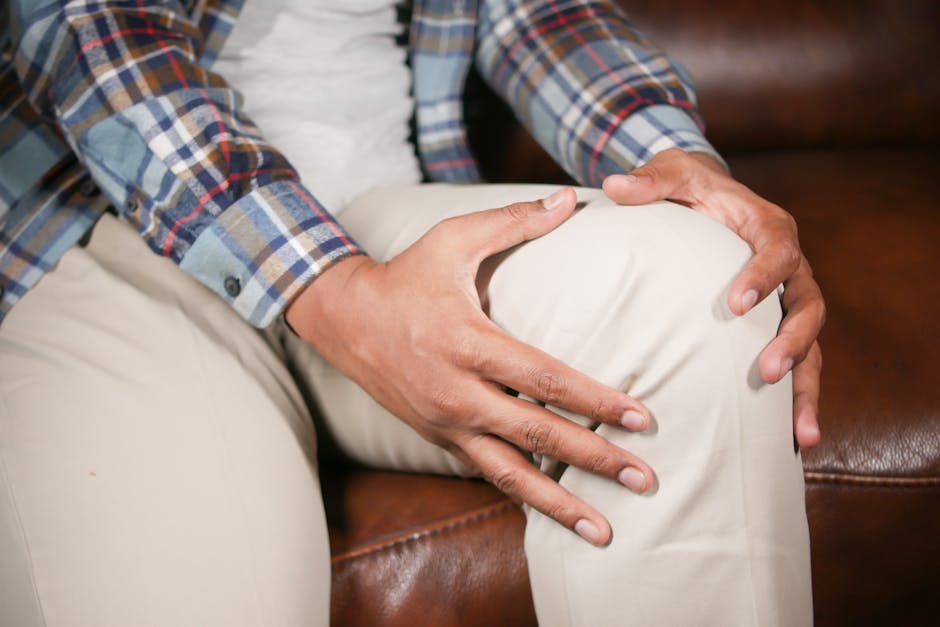
Frequently Asked Questions
Q: Can stretching help with pain on inner side of knee when bending?
A: Gentle stretching of the quadriceps, hamstrings, calves, and hip flexors can reduce the muscular tension that contributes to knee discomfort. A sustained, comfortable hold of 20 to 30 seconds is far more effective and safer than aggressive or bouncing stretches.
Q: Is it safe to exercise with pain on inner side of knee when bending?
A: Gentle, low-impact movement is often beneficial — walking, swimming, and cycling tend to be well-tolerated. Avoid anything that sharply increases the discomfort. A physiotherapist can help identify which exercises are right for your specific situation and severity.
Q: Is it normal to hear clicking sounds alongside pain on inner side of knee when bending?
A: Joint sounds are extremely common and usually harmless — they often come from gas bubbles in the joint fluid or tendons flicking over bony prominences. If the clicking is painless and your knee functions normally, it's generally nothing to worry about. If it's accompanied by pain or swelling, mention it to a healthcare professional.
What To Do Tomorrow Morning
Most people who take early, sensible action recover well. Start with what you can manage today and monitor closely. If things are not improving after a few weeks, that is the right time to bring in professional support.
Helpful Next Step
As an Amazon Associate, we may earn from qualifying purchases. This does not affect the price you pay.
Helpful Support Option
If this type of knee discomfort shows up during daily movement, light support may help reduce strain on the joint while you work on the underlying cause.
See knee support options on AmazonHelpful Next Step
If gentle support helps during recovery, you can check a simple support option that many people use in daily life. People dealing with this frequently also notice knee clicks and hurts when bending, particularly after extended periods of inactivity.
This content is for educational purposes only and does not constitute medical advice. Always consult a qualified healthcare professional for diagnosis and treatment.