🦵 Not sure what's causing it? Take the 5-question knee quiz.
Find My Pattern →Knee Takes a While to Loosen up in the Morning
You wake up, swing your legs out of bed, and for those first few steps toward the bathroom, your knee feels stiff—almost wooden. It's not sharp pain, exactly. More like the joint needs permission to bend properly. You move slowly, carefully, maybe holding the wall. By the time you've made coffee and walked around the kitchen for 20 or 30 minutes, it feels almost normal again. But some mornings it's worse than others, and you never quite know which version you're going to get when you wake up.
That unpredictability is part of what makes morning knee stiffness frustrating. It's not consistent enough to plan around, but it's regular enough that you've noticed the pattern. And there's a particular dread that comes with it—that moment when you need to lower yourself into a chair or head down the stairs, knowing the knee might catch or protest in a way that makes you move even more cautiously than usual.
Why Your Knee Feels Stiff When You First Wake
Several things happen to your knee while you sleep, and understanding them can help you approach the morning differently.
Fluid settles differently overnight. Your knee joint is surrounded by synovial fluid that lubricates the cartilage surfaces. When you're active during the day, movement pumps this fluid around. But during sleep—especially if you lie still for 7 or 8 hours—that fluid redistributes. It can pool unevenly or thicken slightly in cooler conditions. When you first try to move, the joint needs a few minutes of gentle motion to spread the fluid back across the cartilage surfaces. This isn't dangerous; it's just how the joint resets.
Inflammation can be higher in the morning. Your body's inflammatory response follows a natural rhythm throughout the day. For some people, inflammatory markers peak in the early morning hours, which can make joints feel puffy and stiff. This is especially common if you have mild arthritis or if your knee has been irritated by activity the day before. The stiffness often improves as you move and your body's inflammatory response naturally shifts.
Your muscles around the knee tighten during sleep. The quadriceps, hamstrings, and calf muscles all relax when you're lying down, but they don't fully lengthen. If you slept in a position where your knee was slightly bent (which most people do), those muscles have been in a shortened position all night. When you stand up and ask your knee to straighten and bend fully, those tight muscles resist slightly, making the joint feel less mobile.
Barometric pressure and temperature matter more than you might think. You've probably noticed your knee is worse on cold mornings or when the weather is about to change. Lower barometric pressure can cause joint fluid pressure to shift, and cold temperatures make tissues less pliable. This doesn't mean your knee is damaged—it means the conditions around your joint make it naturally stiffer. Warm, dry mornings often feel easier.
What You Can Try to Speed Up Loosening
The goal isn't to force your knee to move faster, but to help it transition from rest to activity more smoothly.
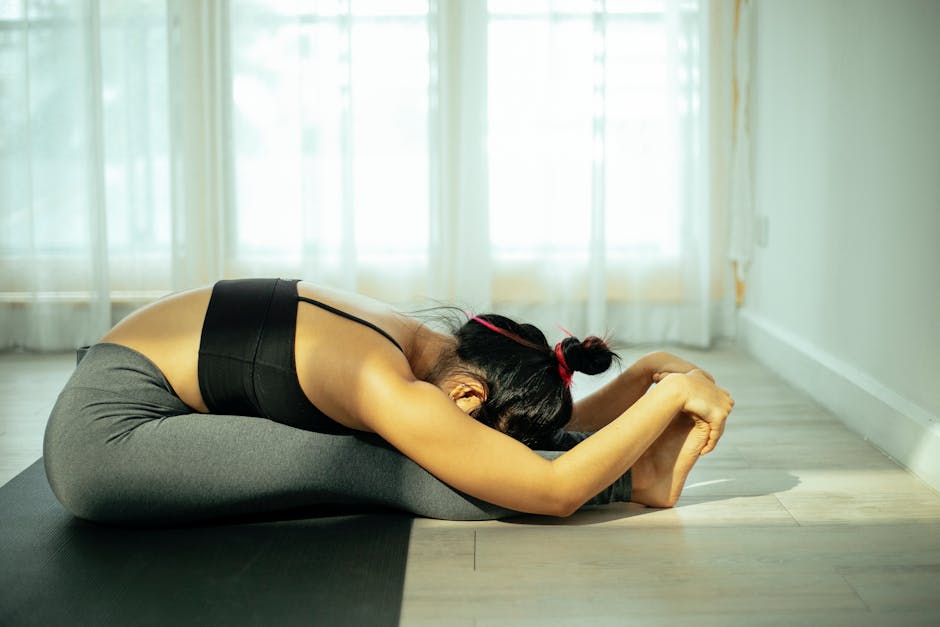
Start moving while still in bed. Before you stand up, try small, gentle movements. Straighten one leg slowly, then bend it back. Do this 5 or 6 times. Then do the same with the other leg. You can also lie on your back and slowly bring one knee toward your chest, holding it gently for a few seconds. These movements begin pumping synovial fluid around the joint without putting your full weight on it. Many people find this 2-minute routine makes those first steps feel noticeably easier.
Apply warmth before you stand. A heating pad on your knee for 5 minutes while you're still in bed, or a warm shower before you try walking around, can reduce stiffness significantly. Heat makes tissues more pliable and can ease that initial resistance. Some people find a warm shower helps more than anything else, because the combination of heat and gentle movement (washing, moving under the water) works together.
Walk slowly and deliberately for the first 10 minutes. This isn't the time to rush. Short, careful steps—maybe around your bedroom or to the kitchen—allow your knee to gradually increase its range of motion without shocking the joint. You'll likely feel it loosen as you go. That gradual improvement over 20 or 30 minutes is normal and expected.
Avoid stretching aggressively right away. It's tempting to do a deep quad stretch or lunge the moment you feel stiff, but aggressive stretching on a cold, stiff knee can sometimes trigger a sharp catch or increase caution unnecessarily. Instead, wait 10 or 15 minutes after you've been moving gently, then do light stretches—nothing that pulls hard or makes you uncomfortable.
Pay attention to how you slept. If your knee is worse on mornings after you slept with your leg in a very bent position, try adjusting how you lie down. A small pillow under your knee (not under it, but supporting it slightly) can keep your leg in a more neutral position. Some people find sleeping with a pillow between their knees helps too.
Not sure what's causing your knee pain? Take our 5-question quiz to find your pattern — Start the quiz →
When to Talk to a Healthcare Professional
Morning stiffness that improves with movement is common and usually not a sign of serious damage. But certain patterns warrant professional evaluation.
See a doctor if your knee stiffness lasts more than an hour after you've been moving, if it's getting noticeably worse over weeks or months, if you hear grinding or catching sounds that concern you, or if the stiffness is accompanied by significant swelling that doesn't improve with movement and warmth. This pattern is related to knee pain first thing in the morning, and the same management principles often apply.
Also reach out if you've noticed the stiffness is one-sided (only your left knee or only your right), if it's affecting your ability to do normal activities, or if you're limping in a way that's causing pain elsewhere—your hip, ankle, or other knee.
Safety note: If you have severe pain, significant swelling, a recent injury, fever, numbness, or difficulty bearing weight, speak with a qualified healthcare professional promptly.
Frequently Asked Questions
Q: Why does my knee feel worse after sitting for a long time?
A: This pattern — stiffness or pain after prolonged sitting that eases once you move around — is a hallmark of irritation around the kneecap or the soft tissues surrounding it. The joint stiffens in a flexed position, and the first movement disturbs it. Most people find it settles within a minute or two of walking.
Q: Is it safe to exercise with knee takes a while to loosen up in the morning?
A: Gentle, low-impact movement is often beneficial — walking, swimming, and cycling tend to be well-tolerated. Avoid anything that sharply increases the discomfort. A physiotherapist can help identify which exercises are right for your specific situation and severity.
Q: Should I apply heat or ice to a painful knee?
A: Cold — ice wrapped in a cloth — works better for acute flare-ups, particularly in the first 24 to 48 hours when the area feels warm or inflamed. Gentle heat tends to be more helpful for muscle stiffness and chronic, recurring aches. Never apply either directly to bare skin.
One Thing to Try First
Most people who take early, sensible action recover well. Start with what you can manage today and monitor closely. If things are not improving after a few weeks, that is the right time to bring in professional support.
Helpful Next Step
As an Amazon Associate, we may earn from qualifying purchases. This does not affect the price you pay.
Helpful Support Option
If this type of knee discomfort shows up during daily movement, light support may help reduce strain on the joint while you work on the underlying cause.
See knee support options on AmazonWant a more personalised recommendation? Take the 5-question quiz →
Helpful Next Step
If gentle support helps during recovery, you can check a simple support option that many people use in daily life.
This content is for educational purposes only and does not constitute medical advice. Always consult a qualified healthcare professional for diagnosis and treatment.