🦵 Not sure what's causing it? Take the 5-question knee quiz.
Find My Pattern →Knee Pain When Bending on Carpet or Soft Surface
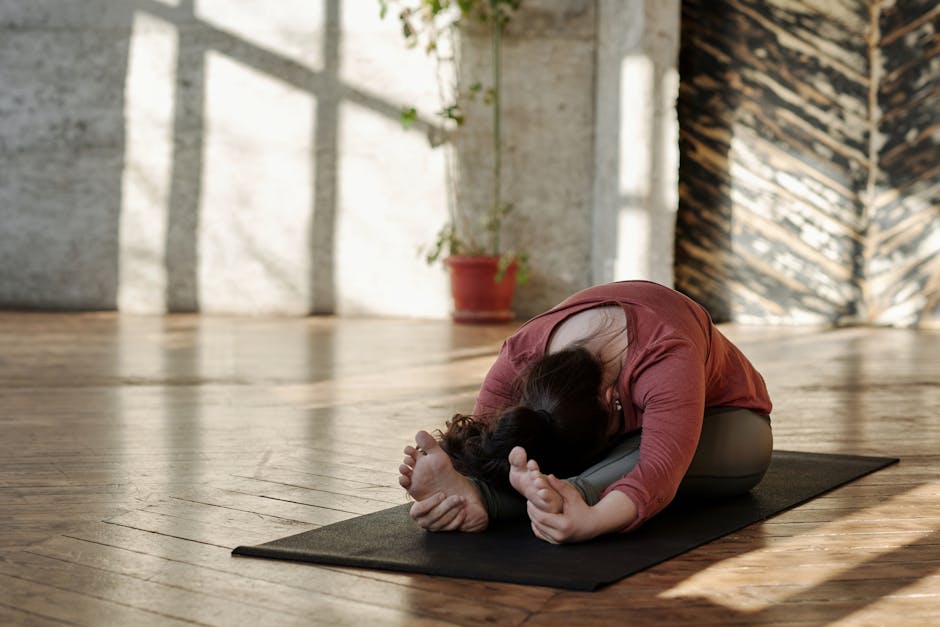
Kneeling down to pick something off the floor, settling into a squat while gardening, or lowering yourself onto a soft chair—and then it hits. A dull, spreading ache through the front or sides of your knee that feels worse the moment your weight settles into the carpet or cushioned surface. The strange part is that the same movement on hard tile or wood doesn't bother you nearly as much. It's not sharp or immediate; it's more like a heaviness that builds as you stay in that bent position, and sometimes the real ache doesn't show up until hours later, when you're sitting on the couch and suddenly notice your knee feels tender and slightly swollen.
This specific pain pattern—triggered by soft, yielding surfaces—tells you something important about what's happening underneath. It's not the same as general knee pain, and understanding why carpet and cushions feel different can help you figure out what to try.
Why soft surfaces make bending harder on your knee
🦵 Not sure what's causing your knee pain?
Answer 5 quick questions and get a personalised result.
Find My Pattern → 60 seconds · No sign-upWhen you bend on a soft surface, your knee isn't getting the same feedback it gets on solid ground. Hard floors provide immediate, stable support; your proprioceptors (the sensors that tell your brain where your body is in space) know exactly what they're dealing with. Carpet, cushions, and padded floors compress and shift under your weight, forcing your knee to work harder to stay stable. Your ankle, hip, and knee have to make tiny constant adjustments to compensate, and this extra work can aggravate tissues that are already sensitive. It's worth knowing that clicking knee with pain when bending follows a very similar pattern and responds to the same kind of approach.
The uneven weight distribution on a soft surface is another culprit. When you kneel or squat on carpet, your weight doesn't distribute evenly across your kneecap and the surrounding structures the way it does on a firm surface. Instead, some areas of your knee bear more load than others, creating concentrated pressure on specific spots. If those spots are already irritated—from previous strain, muscle imbalance, or a minor injury you may have forgotten about—the soft surface makes it worse.
Soft surfaces also delay the pain signal. You might feel fine while you're actively bending, but the delayed-onset ache that creeps in 4 to 6 hours later is your knee's way of saying it worked too hard to stabilize itself. This lag between the activity and the pain is what makes carpet-specific knee pain confusing; by the time your knee hurts, you've moved on and forgotten what triggered it.
Muscle imbalance and weak hip stabilizers play a role too. When your glutes and outer hip muscles aren't strong enough, your knee has to compensate by rotating slightly inward or shifting side to side as you bend. On a hard surface, your body might manage this. On a soft, unstable surface, that compensation pattern amplifies, and your knee bears the cost.
What to try when soft surfaces trigger knee pain
Switch to firm surfaces when you can. If you're doing tasks that require kneeling or deep bending—gardening, cleaning, playing with kids—move to a hard floor or take breaks on solid ground. Notice how the pain feels different. This isn't about avoiding soft surfaces forever; it's about gathering information. If your knee feels better on tile, it confirms that the instability of soft surfaces is part of the problem.
Use a cushioned knee pad when you do kneel on carpet. A thick, firm knee pad (not a soft pillow) provides a middle ground: it protects your skin and reduces pressure, but it's stable enough to give your knee the feedback it needs. This can reduce the compensatory work your knee has to do.
Apply ice after activity, not during. If you've spent time bending on carpet and notice the ache building hours later, ice for 15 to 20 minutes can help calm the inflammation. Don't ice immediately during the activity; the pain you feel while bending is your body's signal to stop, and masking it could lead to overdoing it.
Pay attention to how you're bending. When you lower yourself onto a soft surface, try to keep your weight centered over your knee rather than shifting it to one side. Bend from your hips and ankles as much as your knees. This distributes the load more evenly and reduces the compensatory stress on your knee joint.
Strengthen your glutes and outer hip muscles. Weak hip stabilizers force your knee to work harder on unstable surfaces. Simple exercises like clamshells, side-lying leg lifts, and glute bridges can make a real difference. Start with 2 to 3 sets of 10 to 15 repetitions, a few times a week. You won't feel the benefit immediately, but after 3 to 4 weeks, you may notice that soft surfaces feel less painful.
When to reach out to a professional
If the pain is sharp, severe, or comes with significant swelling, if you can't bear weight on the knee, or if the pain doesn't improve after a few weeks of avoiding the triggering activity and trying the steps above, speak with a doctor or physical therapist. They can assess whether something more serious is happening and create a plan tailored to your knee. For useful context, knee clicks and hurts when bending tends to have the same mechanical roots and overlapping solutions.
If you have a recent injury, fever, numbness, or difficulty bearing weight, see a qualified healthcare professional promptly.
Safety note: If you have severe pain, significant swelling, a recent injury, fever, numbness, or difficulty bearing weight, speak with a qualified healthcare professional promptly.
Frequently Asked Questions
Q: Is it normal to hear clicking sounds alongside knee pain when bending on carpet or soft surface?
A: Joint sounds are extremely common and usually harmless — they often come from gas bubbles in the joint fluid or tendons flicking over bony prominences. If the clicking is painless and your knee functions normally, it's generally nothing to worry about. If it's accompanied by pain or swelling, mention it to a healthcare professional.
Q: Why does my knee feel worse after sitting for a long time?
A: This pattern — stiffness or pain after prolonged sitting that eases once you move around — is a hallmark of irritation around the kneecap or the soft tissues surrounding it. The joint stiffens in a flexed position, and the first movement disturbs it. Most people find it settles within a minute or two of walking.
Q: When should I stop exercising because of knee pain when bending on carpet or soft surface?
A: Stop if the pain is sharp, climbing steadily during exercise, or causing you to change how you move. Mild, stable discomfort that stays at a 2 to 3 out of 10 is often acceptable to work through gently. Anything above that — or pain that simply feels wrong — is your cue to stop and reassess.
Where to Go From Here
Most people who take early, sensible action recover well. Start with what you can manage today and monitor closely. If things are not improving after a few weeks, that is the right time to bring in professional support.
Helpful Next Step
As an Amazon Associate, we may earn from qualifying purchases. This does not affect the price you pay.
Helpful Support Option
If this type of knee discomfort shows up during or after prolonged sitting, light compression may help reduce stiffness and support the joint during movement.
See knee compression optionsHelpful Next Step
If gentle support helps during recovery, you can check a simple support option that many people use in daily life. For useful context, knee cracks loudly when bending with no pain tends to have the same mechanical roots and overlapping solutions.
This content is for educational purposes only and does not constitute medical advice. Always consult a qualified healthcare professional for diagnosis and treatment.