🦵 Not sure what's causing it? Take the 5-question knee quiz.
Find My Pattern →Knee Pain From Standing on Concrete Floor All Day
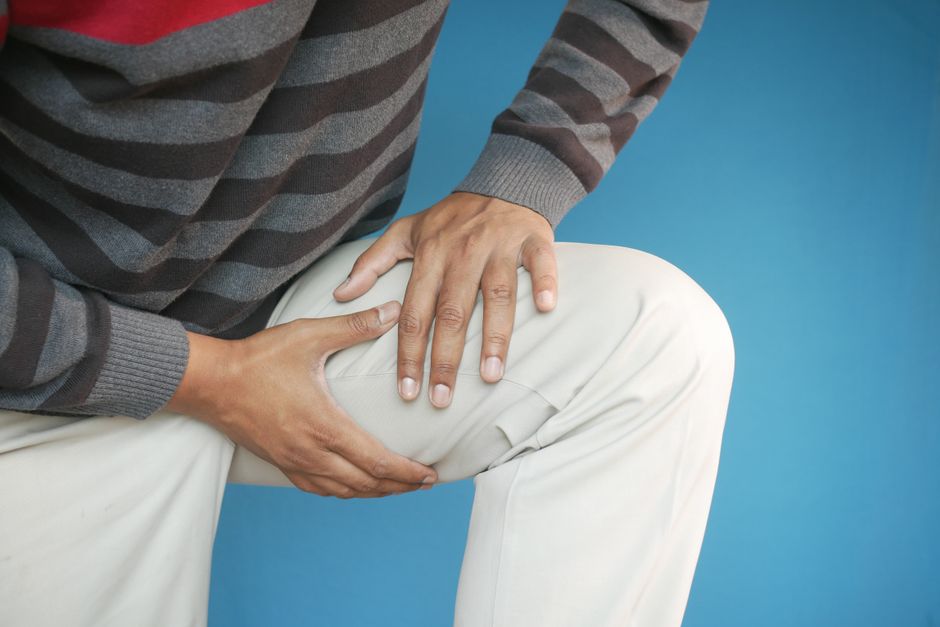
By hour four or five of your shift, you notice it—a sharp twinge just above or below the kneecap, almost like a small electric jolt. You shift your weight, hoping it passes. It does, for a few minutes. Then the twinge returns, now duller, more of a persistent ache that settles in and stays there until you finally sit down. That evening, you feel almost fine. Relief washes over you. But the next morning? The stiffness is worse than it was yesterday. Your knee feels heavy, reluctant to bend fully when you first get out of bed. You know what's coming—another eight-hour shift on concrete.
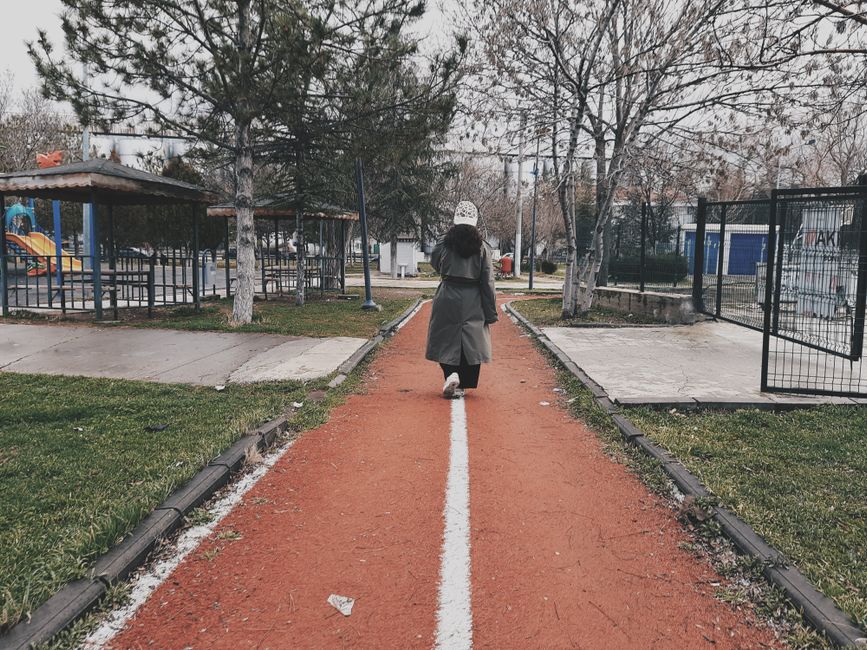
This pattern is exhausting in ways that go beyond the physical pain. The uncertainty of how bad it will get, the worry that it might affect your job security, the quiet frustration of watching coworkers stand comfortably while you're counting down the hours—these compound the actual knee discomfort into something heavier.
Why concrete floors hit your knees differently
🦵 Not sure what's causing your knee pain?
Answer 5 quick questions and get a personalised result.
Find My Pattern → 60 seconds · No sign-upConcrete is unforgiving. Unlike carpet or wood, it absorbs almost no impact. Every step sends a small shock up through your foot, ankle, and knee. Your body has to absorb all of that force. This pattern is related to knee pain after standing all day, and the same management principles often apply.
Your knees may be responding to this constant low-level impact in several ways. The repetitive stress can irritate the tissues around your kneecap, creating that sharp-then-dull sensation you feel as the day progresses. The cartilage under your kneecap may be experiencing friction from the way your leg muscles are working to stabilize you on an unyielding surface. Your feet might be rolling slightly inward or outward as they tire—a small mechanical shift that forces your knee to work at a slightly wrong angle, hour after hour. And the longer you stand without movement, the more fluid can build up in the joint, creating that heavy, stiff feeling that greets you the next morning.
None of these things happen suddenly. They develop over days or weeks of the same concrete, the same position, the same demand on your knees.
Practical steps to reduce the load on your knees
Change what's under your feet. If your workplace allows it, anti-fatigue mats can make a real difference. They're not a cure, but they absorb some of the shock that concrete throws back at you. If mats aren't possible, insoles designed for impact absorption—not just arch support—may help. The goal is to add a buffer between the concrete and your knee joint. This takes time to notice; give it at least a week of consistent use.
Move before the pain gets bad. This is harder than it sounds when you're busy, but shifting your weight every 20 to 30 minutes, even just stepping side to side or rolling your ankles, keeps your muscles engaged and prevents that locked-in fatigue that makes pain worse. You're not trying to exercise; you're trying to interrupt the static position. The pain often gets worse not because you're standing, but because you're standing completely still.
Sit deliberately during breaks. Don't just rest your legs—elevate them if you can, even on a low stool. Elevation helps drain fluid that builds up in the joint and contributes to that morning stiffness. Fifteen to twenty minutes with your leg up can genuinely reduce the ache that follows you home.
Ice after your shift, not during. During work, ice might numb the pain temporarily, but it can also stiffen the joint further. After you finish, when you're sitting at home, ice for 15 to 20 minutes can help calm inflammation that developed throughout the day. The difference: you're icing a joint that's already rested, not one that still has to support you.
Pay attention to your shoes. Generic supportive shoes help, but what matters more is how they feel by hour six of standing. If your feet are rolling or your arches are collapsing, your knees compensate. Shoes that feel fine when you first put them on can become problematic as your feet swell slightly during the day. You might need shoes a half-size larger than you'd normally wear, or ones with a stiffer midsole that doesn't compress as the day goes on.
When to reach out for professional guidance
If the pain is getting sharper rather than just duller, if you notice swelling that doesn't go down overnight, if you're limping by the end of your shift, or if the morning stiffness is taking longer than an hour to ease—these are signs that your knee needs assessment beyond what rest and mats can provide. The same goes if the pain is affecting your sleep or if you're starting to avoid activities you normally enjoy because you're protecting your knee. There's a close connection between this and knee pain after standing at work all day — the same structures are usually involved.
A physical therapist can identify whether your pain is coming from muscle imbalance, a mechanical issue with how your knee tracks, or something else entirely. This matters because the solution changes depending on the cause.
Safety note: If you have severe pain, significant swelling, a recent injury, fever, numbness, or difficulty bearing weight, speak with a qualified healthcare professional promptly.
Frequently Asked Questions
Q: When should I stop exercising because of knee pain from standing on concrete floor all day?
A: Stop if the pain is sharp, climbing steadily during exercise, or causing you to change how you move. Mild, stable discomfort that stays at a 2 to 3 out of 10 is often acceptable to work through gently. Anything above that — or pain that simply feels wrong — is your cue to stop and reassess.
Q: How long does knee pain from standing on concrete floor all day usually last?
A: This varies a lot depending on the cause. Minor muscle strain or overuse tends to settle within a few days to two weeks with appropriate rest and gentle movement. If it hasn't improved after three weeks — or symptoms are worsening — that's a clear signal to get a professional opinion.
Q: Can I still walk normally when I have knee pain from standing on concrete floor all day?
A: Many people manage normal walking despite this kind of discomfort. If walking causes you to limp or noticeably change your gait, though, that's worth addressing — compensating patterns often create new problems in the hips, lower back, or opposite knee over time.
One Thing to Try First
Most people who take early, sensible action recover well. Start with what you can manage today and monitor closely. If things are not improving after a few weeks, that is the right time to bring in professional support.
Helpful Next Step
As an Amazon Associate, we may earn from qualifying purchases. This does not affect the price you pay.
Helpful Support Option
If this discomfort shows up during daily walking or standing, a compression sleeve may help reduce load on the joint during movement while the underlying cause is addressed.
See walking knee support optionsHelpful Next Step
If gentle support helps during recovery, you can check a simple support option that many people use in daily life. For useful context, knee swelling after standing all day tends to have the same mechanical roots and overlapping solutions.
This content is for educational purposes only and does not constitute medical advice. Always consult a qualified healthcare professional for diagnosis and treatment.