🦵 Not sure what's causing it? Take the 5-question knee quiz.
Find My Pattern →Knee Pain From Pigeon Toed Walking Style
That dull ache doesn't hit you right away. You can walk through your morning fine—coffee, errands, a couple of miles without thinking about it. Then around hour three or four of being on your feet, something settles into the inside of your knee. It's not sharp enough to stop you, but it's there, a heaviness that makes you aware of every step. By evening, the discomfort has shifted somewhere else entirely—maybe your hip, maybe your lower back—and you're left wondering if the problem was ever really your knee at all.
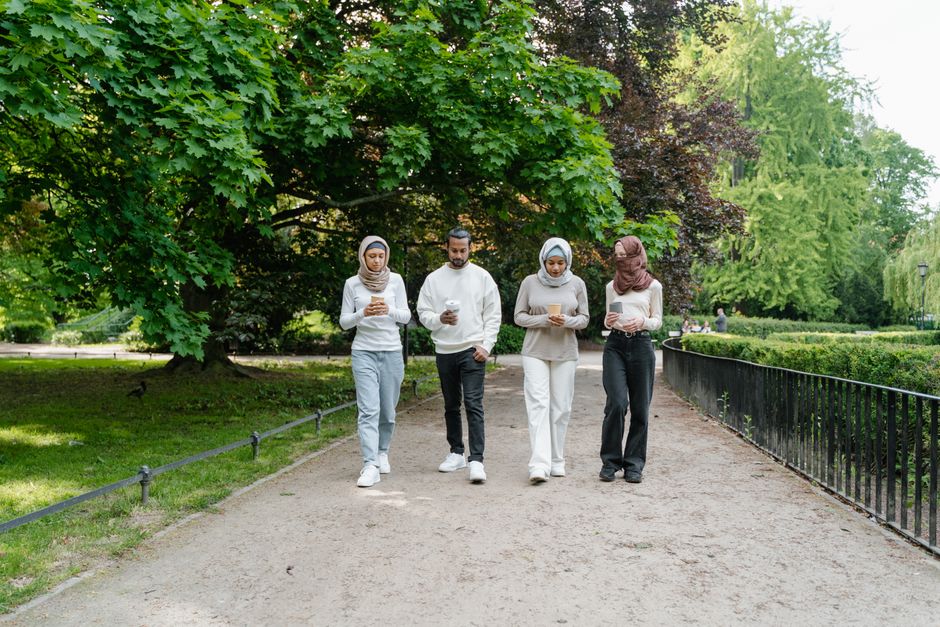
If your feet naturally turn inward when you walk, you're dealing with what's often called pigeon toe gait. The frustration isn't just the pain itself. It's that you've probably tried to walk "normally" before, caught yourself doing it, felt the self-consciousness of correcting your stride in public, and then felt your feet slide right back into that familiar inward angle the moment you stopped thinking about it. That tension—the mental effort of fighting your natural pattern—can actually make the pain worse, not better.
Why your knee hurts with inward-turning feet
🦵 Not sure what's causing your knee pain?
Answer 5 quick questions and get a personalised result.
Find My Pattern → 60 seconds · No sign-upWhen your feet point inward as you walk, the forces moving through your knee don't track straight. Instead of your leg bending and straightening in a clean vertical line, there's a slight twist happening with each step. Your knee has to manage both the downward force of your body weight and this rotational stress at the same time. It's worth knowing that knee gives way when walking follows a very similar pattern and responds to the same kind of approach.
Several things can create or worsen this pattern. Your hip muscles—particularly on the inside of the hip—may be tight or underdeveloped, making it easier for your leg to rotate inward from the hip rather than stay neutral. Your arch structure matters too; if your arch is low or collapses inward, your foot naturally wants to turn in to find stability. Tightness in your calf or the muscles along the outside of your shin can also pull your foot into that inward position. And sometimes it's simply how your bones are shaped—the angle of your hip socket or the way your tibia (shin bone) sits relative to your knee—which means you're working against your own anatomy rather than with it.
The pain often doesn't come from the knee itself being damaged. It comes from the repetitive small stresses that build up over hours of walking, especially on days when you're more active than usual or when you're tired and your natural posture takes over completely.
What you can try
Start by noticing when the pain actually appears. Does it show up during a specific activity—climbing stairs, walking on uneven ground, long shopping trips? That timing matters because it tells you which movements are creating the most stress. Once you know that, you can sometimes adjust how you do that movement, even if you can't change your overall walking pattern.
Walking on a treadmill can feel strange, but it's one place where you might experiment with a slightly more neutral foot position without the self-consciousness of doing it in public. You don't need to force it. Just notice what small adjustment feels possible. Many people find that focusing on pushing off evenly through their whole foot—rather than pushing mostly from the inner edge—reduces the strain. This takes practice and won't feel natural at first.
Ice after days when you've walked more than usual. A 15-minute ice pack on the inside of your knee (where it usually aches most) can calm the irritation, especially in the evening. This isn't fixing the underlying pattern, but it can interrupt the cycle where pain builds throughout the day.
Sitting cross-legged might feel counterintuitive—it looks like it should hurt—but many people find it more comfortable than sitting with their feet flat or legs extended. This can give you relief during breaks, though it won't change how you walk when you stand up. This pattern is related to knee hurts when walking slowly but not quickly, and the same management principles often apply.
Shoe choice matters more than generic advice suggests. You're not necessarily looking for maximum arch support, which can sometimes feel rigid and uncomfortable. Instead, look for shoes where the heel sits stable and the forefoot has a bit of flexibility. A shoe that's too stiff can force your foot into an unnatural position and make the inward turn worse. A shoe that's too flexible offers no guidance. Neutral athletic shoes often work better than motion-control shoes for pigeon toe pain.
When the pattern doesn't change, even with effort
The frustrating part comes when you do the exercises, you focus on your gait, you wear better shoes—and then you're tired, or distracted, or just living your life, and your feet slide right back into that inward angle. That's normal. Your nervous system has years of practice walking this way. Changing a deep movement pattern takes time, and it's easy to feel like you're failing when you revert.
If pain is increasing rather than staying stable, if it's sharp enough to change how you walk, or if it's moving into your hip, ankle, or lower back in ways that feel concerning, that's when you need a professional assessment. Physical therapists can identify whether your specific issue is hip-related, foot-related, or truly knee-based—and that distinction changes what actually helps.
Safety note: If you have severe pain, significant swelling, a recent injury, fever, numbness, or difficulty bearing weight, speak with a qualified healthcare professional promptly.
Frequently Asked Questions
Q: Should I apply heat or ice to a painful knee?
A: Cold — ice wrapped in a cloth — works better for acute flare-ups, particularly in the first 24 to 48 hours when the area feels warm or inflamed. Gentle heat tends to be more helpful for muscle stiffness and chronic, recurring aches. Never apply either directly to bare skin.
Q: Is it normal to hear clicking sounds alongside knee pain from pigeon toed walking style?
A: Joint sounds are extremely common and usually harmless — they often come from gas bubbles in the joint fluid or tendons flicking over bony prominences. If the clicking is painless and your knee functions normally, it's generally nothing to worry about. If it's accompanied by pain or swelling, mention it to a healthcare professional.
Q: Can I still walk normally when I have knee pain from pigeon toed walking style?
A: Many people manage normal walking despite this kind of discomfort. If walking causes you to limp or noticeably change your gait, though, that's worth addressing — compensating patterns often create new problems in the hips, lower back, or opposite knee over time.
One Thing to Try First
Most people who take early, sensible action recover well. Start with what you can manage today and monitor closely. If things are not improving after a few weeks, that is the right time to bring in professional support.
Helpful Next Step
As an Amazon Associate, we may earn from qualifying purchases. This does not affect the price you pay.
Helpful Support Option
If this discomfort shows up during daily walking or standing, a compression sleeve may help reduce load on the joint during movement while the underlying cause is addressed.
See walking knee support optionsHelpful Next Step
If gentle support helps during recovery, you can check a simple support option that many people use in daily life. If you also experience knee pain after boot camp style workout, the two issues often share the same underlying cause.
This content is for educational purposes only and does not constitute medical advice. Always consult a qualified healthcare professional for diagnosis and treatment.