🦵 Not sure what's causing it? Take the 5-question knee quiz.
Find My Pattern →Knee Pain After Swimming
You finish your swim feeling great—the water was perfect, your pace felt strong—and then somewhere between toweling off and getting dressed, a dull ache settles behind your kneecap. Or maybe it's sharper: a pinch you only felt during the push-off phase of breaststroke, the one that made you adjust your kick halfway through the set. By the next morning, climbing stairs feels stiff in a way that surprises you, even though the pain seemed minor while you were in the pool.
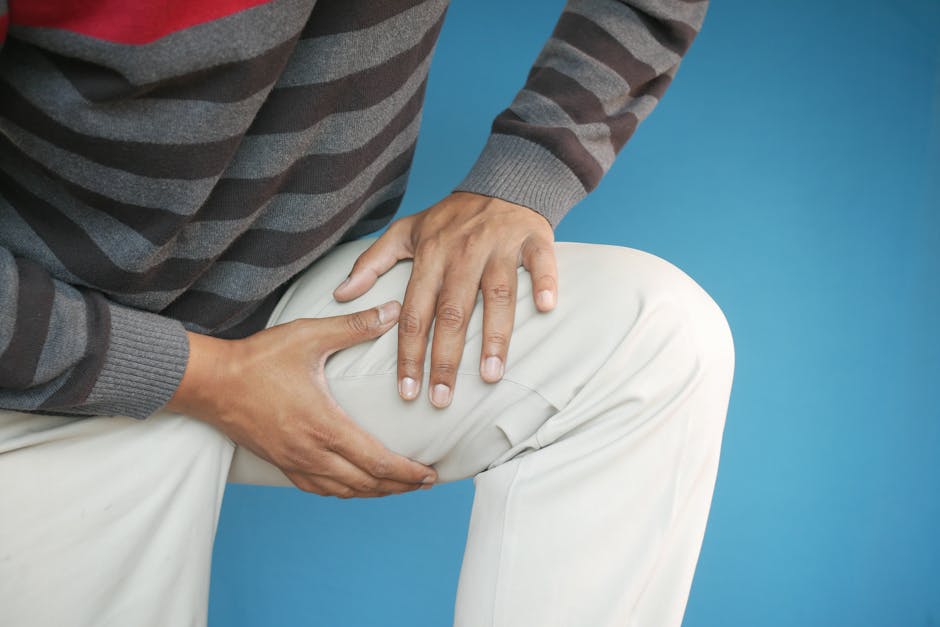
This is one of the stranger parts of swimming-related knee pain. The water itself often masks what's happening. Your knee might feel completely fine mid-lap, cushioned by buoyancy and the gentle pressure of the pool around your leg. But the moment you're out and weight-bearing again, or the next day when you're moving through your regular day, the discomfort becomes real. It's a delayed signal that something in your technique, training load, or recovery isn't working.
Why Your Knee Hurts After Swimming
🦵 Not sure what's causing your knee pain?
Answer 5 quick questions and get a personalised result.
Find My Pattern → 60 seconds · No sign-upSwimming is low-impact, which is why so many people with joint pain turn to it. But "low-impact" doesn't mean "no impact." Your knee is still moving through a full range of motion, often repeatedly, and certain strokes place specific demands on the joint.
Breaststroke kick mechanics are the most common culprit. The whip kick—where your lower leg sweeps outward and then inward—can stress the inside of your knee, especially if your knees are caving inward (valgus collapse) or if you're pushing too hard during the propulsive phase. Many swimmers don't realize their technique has drifted until pain shows up. You might feel fine for weeks, then suddenly notice that pinch, which often means the repetitive strain has been building quietly.
Overtraining without adequate recovery can also trigger knee pain. Swimming feels so smooth that it's easy to add extra sets or increase yardage faster than your tendons and ligaments can adapt. The pain might creep in gradually across several sessions before it becomes noticeable enough to stop you. By then, inflammation is already present.
Muscle imbalances around the hip and thigh play a significant role too. If your hip flexors are tight or your glutes aren't firing properly, your knee takes on extra work to compensate. This is especially true during the recovery phase of breaststroke, when your hip needs to extend fully. Weak hip muscles can cause your knee to track differently, creating friction behind the kneecap.
Pool temperature and water resistance can also affect how your knee responds. Cold water sometimes increases stiffness, while warmer pools might mask inflammation temporarily. The resistance of the water itself—gentle as it feels—is still loading your joint throughout every stroke, and that cumulative load matters over time.
What You Can Try
Take a real break, not just a reduced schedule. This is harder than it sounds, especially if swimming is how you stay fit or manage stress. But "taking it easy" by doing one or two sessions a week often isn't enough. Your knee needs actual rest days where you're not in the pool. This doesn't mean complete inactivity—walking, cycling on flat terrain, or water walking (standing in the pool, moving slowly) can maintain fitness without the repetitive knee motion that swimming demands. The frustration of losing your routine is real, but pushing through usually extends recovery.
Ice after swimming, not during. Apply ice for 15–20 minutes after you get out of the pool, when your knee is no longer buoyant and you're bearing weight again. This is when inflammation is most likely to develop. Icing in the water or immediately after doesn't work the same way because the water itself is already cooling the area and reducing sensation.
Identify which stroke caused the problem, then switch. If breaststroke is the culprit, try freestyle or backstroke for a few weeks. But be careful: switching strokes can create compensation injuries if you suddenly change your training pattern. If you move to freestyle, you might overload your hip flexors or develop shoulder pain if your form isn't solid. Rotate strokes gradually, and consider that some strokes might not be options for you right now.
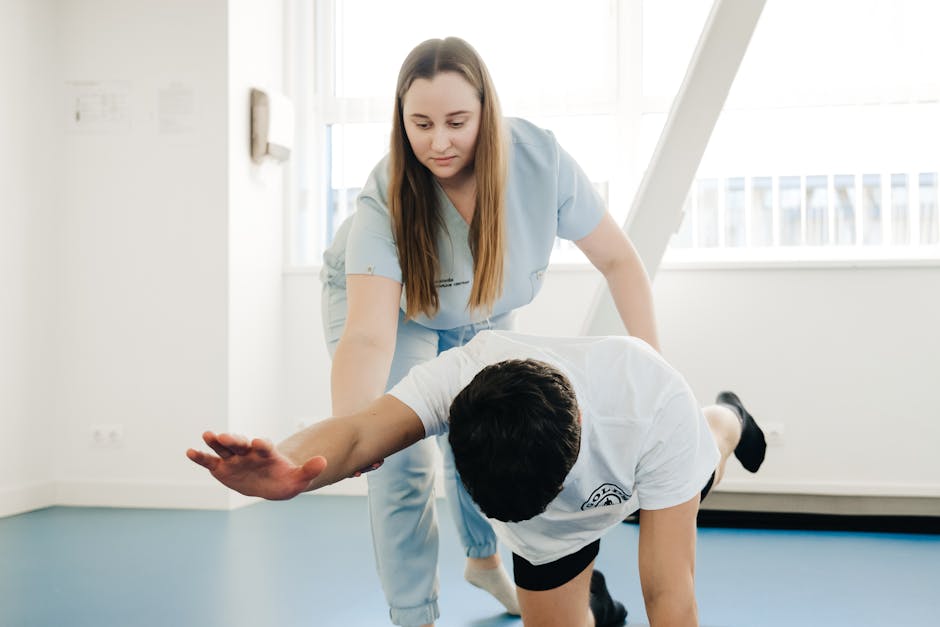
Address hip and glute strength specifically. Clamshells, side-lying leg lifts, and single-leg glute bridges can help stabilize your hip during the recovery phase of your stroke. These don't require a gym—you can do them at home. Spend 10–15 minutes, three times a week, on these exercises. Stronger hips often resolve knee pain without any other intervention.
Check your kick technique. Film yourself swimming, or ask a coach to watch. Look specifically for knees caving inward, excessive ankle flexion, or pushing too hard during the propulsive phase. Sometimes a small adjustment—keeping your knees slightly wider, shortening your kick, or focusing on a gentler push—eliminates pain within a few sessions.
When to See a Professional
If pain persists beyond two weeks of rest, worsens despite these changes, or prevents you from bearing weight normally, a physical therapist or sports medicine doctor can assess what's actually happening in your knee. They can also rule out structural issues and create a recovery plan specific to your technique and training goals.
Safety note: If you have severe pain, significant swelling, a recent injury, fever, numbness, or difficulty bearing weight, speak with a qualified healthcare professional promptly.
Frequently Asked Questions
Q: How long does knee pain after swimming usually last?
A: This varies a lot depending on the cause. Minor muscle strain or overuse tends to settle within a few days to two weeks with appropriate rest and gentle movement. If it hasn't improved after three weeks — or symptoms are worsening — that's a clear signal to get a professional opinion.
Q: Is it safe to exercise with knee pain after swimming?
A: Gentle, low-impact movement is often beneficial — walking, swimming, and cycling tend to be well-tolerated. Avoid anything that sharply increases the discomfort. A physiotherapist can help identify which exercises are right for your specific situation and severity.
Q: Can I still walk normally when I have knee pain after swimming?
A: Many people manage normal walking despite this kind of discomfort. If walking causes you to limp or noticeably change your gait, though, that's worth addressing — compensating patterns often create new problems in the hips, lower back, or opposite knee over time.
Where to Go From Here
Most people who take early, sensible action recover well. Start with what you can manage today and monitor closely. If things are not improving after a few weeks, that is the right time to bring in professional support.
Helpful Next Step
As an Amazon Associate, we may earn from qualifying purchases. This does not affect the price you pay.
Helpful Support Option
Resistance bands are commonly used in knee rehabilitation to build quad and glute strength without placing heavy load on the joint. A useful addition to a home exercise routine.
See resistance band optionsHelpful Next Step
If gentle support helps during recovery, you can check a simple support option that many people use in daily life.
This content is for educational purposes only and does not constitute medical advice. Always consult a qualified healthcare professional for diagnosis and treatment.