🦵 Not sure what's causing it? Take the 5-question knee quiz.
Find My Pattern →Knee Pain After Sitting in Cinema for Two Hours
Settling into a cinema seat feels fine. The movie starts, you're comfortable, and for the first hour nothing bothers you. Then somewhere around the 90-minute mark, a dull pressure builds behind your kneecap. When the credits roll and you stand up, there's a sharp twinge as your knee straightens. The first few steps feel stiff and slightly painful—worse than the sitting itself. By the time you reach the lobby, the acute discomfort fades into a lingering ache that lasts for hours afterward.
This specific pattern—pain emerging during or immediately after sitting, then worsening briefly when you stand—is common enough that it deserves a closer look. Cinema seating creates a unique combination of factors that can trouble knees in ways a car ride of equal length might not.
Why cinema seating bothers your knees differently
🦵 Not sure what's causing your knee pain?
Answer 5 quick questions and get a personalised result.
Find My Pattern → 60 seconds · No sign-upCinema seats recline at an angle that keeps your knees bent to roughly 90 degrees or more. This prolonged flexion puts sustained pressure on the structures around and behind your kneecap. Unlike a car seat (where you can shift position, adjust the seat forward or back, or change your leg angle), cinema seats offer limited adjustment. You're essentially locked into one position for two hours. This pattern is related to knee pain after sitting in car for hours, and the same management principles often apply.
The armrest height matters more than you might expect. If the armrest is too high or too low, it forces your hip into a slightly rotated position, which changes how your knee tracks when it's bent. This misalignment can create uneven pressure across the kneecap. Over 90+ minutes, that subtle imbalance accumulates into noticeable discomfort.
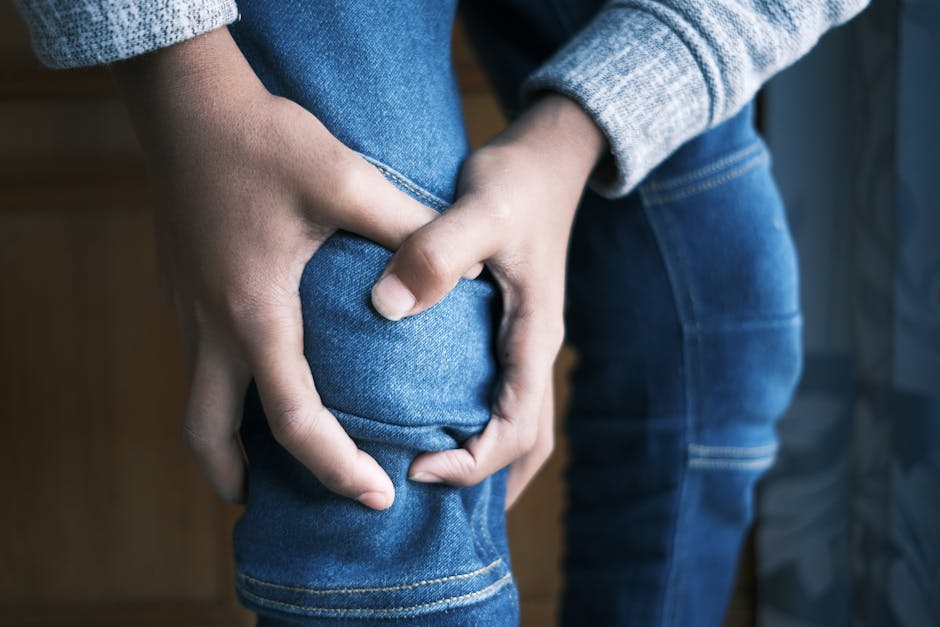
Pressure behind the kneecap often builds gradually rather than arriving suddenly. Your quadriceps (the muscle on the front of your thigh) stays in a shortened position while bent. The cartilage behind your kneecap experiences sustained compression. You might not feel much until you stand and the knee suddenly straightens—that's when the stiffness and sharp sensation can surprise you.
Some knees are more sensitive to this particular loading pattern. If you have a history of patellar issues, a slight imbalance in how your kneecap tracks, or tighter hip flexors, cinema seating can aggravate these vulnerabilities more quickly than other activities.
Practical steps to try before and during the film
Arrive early enough to sit down without rushing, and take a moment to adjust your seat before the film starts. Recline the backrest slightly less than it naturally wants to go if possible—even a few degrees of change reduces the angle at your knee. Position your hips toward the back of the seat rather than slouching forward. This shifts some of the load away from your kneecap and onto your thigh.
Pay attention to armrest height. If it's too high, it can pull your hip upward and rotate your pelvis. If it's too low, you might lean sideways to rest your arm, which twists your spine and legs. Rest your arm lightly rather than pressing your full weight into it. Some people find that keeping both feet flat on the floor (rather than crossing their legs or tucking their feet under) reduces pressure on the knee joint.
About halfway through the film, stand up and walk to the restroom or the lobby for a minute or two. This breaks the sustained pressure cycle. Straighten your legs fully, walk slowly, and let your knees move through their full range of motion. It feels awkward in a dark theater, but even two minutes of movement can make a significant difference in how your knees feel by the end of the film. If you also experience knee after sitting for a long time, the two issues often share the same underlying cause.
After the film ends, walk gently for a few minutes before driving or sitting again. Don't rush out of the theater. Let your knees warm up gradually. If you feel stiffness in the first 10 steps, that's normal—the joint is adjusting after prolonged flexion. Forcing movement or stretching aggressively right after standing can sometimes increase discomfort.
If you know you're prone to this, consider applying ice for 10–15 minutes after you get home, particularly if you notice swelling. Cold can help reduce inflammation if the pressure created any irritation. If you feel stiffness rather than swelling, gentle heat (a warm shower or heating pad) may feel more soothing.
When to reach out to a healthcare provider
Most cinema-related knee pain settles within a few hours or by the next day. If your pain lingers for several days, worsens with normal activity, or happens consistently in other situations (not just cinemas), that's worth discussing with a doctor or physical therapist.
Pain that's sharp and sudden during the film itself—rather than a gradual build—can signal something different. Similarly, if you notice significant swelling, instability (a feeling that your knee might give way), or pain that doesn't improve with rest and ice, professional evaluation becomes important.
Safety note: If you have severe pain, significant swelling, a recent injury, fever, numbness, or difficulty bearing weight, speak with a qualified healthcare professional promptly.
Frequently Asked Questions
Q: When should I stop exercising because of knee pain after sitting in cinema for two hours?
A: Stop if the pain is sharp, climbing steadily during exercise, or causing you to change how you move. Mild, stable discomfort that stays at a 2 to 3 out of 10 is often acceptable to work through gently. Anything above that — or pain that simply feels wrong — is your cue to stop and reassess.
Q: Is it safe to exercise with knee pain after sitting in cinema for two hours?
A: Gentle, low-impact movement is often beneficial — walking, swimming, and cycling tend to be well-tolerated. Avoid anything that sharply increases the discomfort. A physiotherapist can help identify which exercises are right for your specific situation and severity.
Q: How long does knee pain after sitting in cinema for two hours usually last?
A: This varies a lot depending on the cause. Minor muscle strain or overuse tends to settle within a few days to two weeks with appropriate rest and gentle movement. If it hasn't improved after three weeks — or symptoms are worsening — that's a clear signal to get a professional opinion.
What To Do Tomorrow Morning
Most people who take early, sensible action recover well. Start with what you can manage today and monitor closely. If things are not improving after a few weeks, that is the right time to bring in professional support.
Helpful Next Step
As an Amazon Associate, we may earn from qualifying purchases. This does not affect the price you pay.
Helpful Support Option
If this type of knee discomfort shows up during or after prolonged sitting, light compression may help reduce stiffness and support the joint during movement.
See knee compression optionsHelpful Next Step
If gentle support helps during recovery, you can check a simple support option that many people use in daily life. This pattern is related to knee pain and swelling after sitting, and the same management principles often apply.
This content is for educational purposes only and does not constitute medical advice. Always consult a qualified healthcare professional for diagnosis and treatment.