🦵 Not sure what's causing it? Take the 5-question knee quiz.
Find My Pattern →How to Return to Dancing Socially After Knee Pain
You've been away from the dance floor longer than you wanted. Maybe it was weeks, maybe months. Now someone's invited you out, and you're standing in your closet thinking about shoes and wondering if your knee will hold up. You remember how it felt—that sharp catch mid-turn, or the dull ache that started hours after dancing and kept you limping the next day. The music is playing somewhere without you, and you want back in, but not if it means spending the next week in pain.
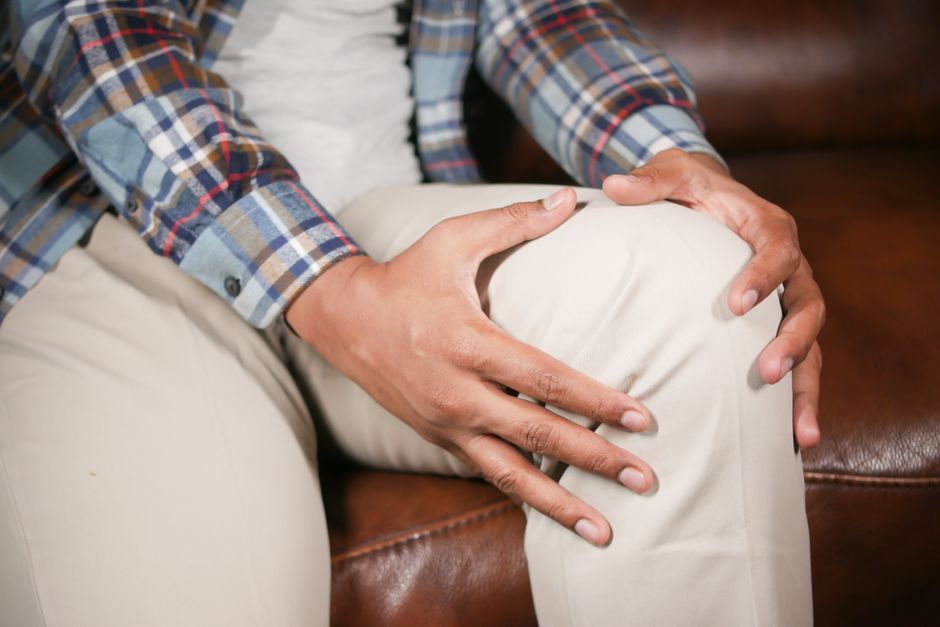
Returning to dancing is different from returning to other activities. Dancing demands timing, balance, direction changes, and the kind of weight shifts that can expose a knee that isn't quite ready. It's also social—you can't just stop halfway through a song without it being obvious. That pressure, combined with the unpredictability of what your knee will do, makes this particular return worth planning carefully.
Why dancing can aggravate your knee
🦵 Not sure what's causing your knee pain?
Answer 5 quick questions and get a personalised result.
Find My Pattern → 60 seconds · No sign-upDancing loads your knee in ways that walking doesn't. When you walk, your weight moves forward in one direction. When you dance, your weight shifts sideways, rotates, stops suddenly, and changes direction. Your knee has to stabilize all of that while your body is moving to rhythm instead of at your own pace. People dealing with this frequently also notice how to plan a gentle return to doubles tennis after knee pain, particularly after extended periods of inactivity.
Several things may be contributing to your knee pain when you dance. Weakness in the muscles around your knee—particularly your hip and thigh—means your knee joint itself absorbs more of the force. When those supporting muscles are tired or underdeveloped, your knee compensates by working harder, and that can trigger pain hours later or even the next day.
Tight hip flexors or calf muscles can also shift how your knee tracks. If you're not moving from your hips freely, your knee takes on rotational stress it wasn't designed to handle alone. The flooring matters too. A hard floor with no give, like concrete or tile, sends more impact up through your joints than a sprung dance floor does. And sometimes the issue is simpler: you're doing too much, too soon, after time away.
Lastly, the specific movements you're doing—pivot turns, lateral steps, quick weight transfers—may stress a particular part of your knee that's still sensitive from a previous injury or overuse.
Building back gradually and carefully
Start with shorter sessions in lower-impact settings. If your first night back is a three-hour wedding reception, you're almost certainly going to feel it. Instead, aim for 20 to 30 minutes of dancing at first, even if you feel like you could do more. Stop before your knee starts to complain, not after.
Choose music and styles that don't demand sudden direction changes. Slow dances, simple side-to-side movement, or rhythmic stepping in place are gentler than fast spins, quick pivots, or moves that require you to plant your foot and rotate hard. You can work up to those movements once your knee feels stable.
Wear supportive shoes. This isn't the time for flat sandals or unsupportive heels. A shoe with good arch support and a stable heel helps your foot and ankle stay aligned, which takes pressure off your knee. Some people find that a mild compression sleeve worn under clothing helps them feel more stable while dancing, though this is personal preference.
Warm up before you dance, even if it feels unnecessary. Spend five to ten minutes doing gentle movements—marching in place, slow side steps, small circles with your hips—to get your muscles warm and your joints moving before you ask them to dance. This can make a real difference in how your knee responds.
Pay attention to what happens in the hours after dancing, not just during. Some people's knees feel fine while dancing but become sore or stiff the next morning. If that's your pattern, you may have pushed a bit too hard, even if it didn't feel like it at the time. Use that information to dial back slightly next time. This pattern is related to how to return to household chores after a knee pain flare, and the same management principles often apply.
What to avoid while you're rebuilding
Don't ignore early warning signs. A small twinge or tightness at the start of dancing can become a significant problem if you keep pushing. If you feel something catch or shift, stop that particular movement and try something gentler for the rest of the night.
Avoid dancing on very hard surfaces if you can. Concrete, tile, or unsprung wooden floors amplify impact. If you have a choice, seek out venues with better flooring, or at least spend more of your time on the better surface if the venue has mixed flooring.
Don't skip the days between dancing sessions if you're just starting out. Your knee needs recovery time. Dancing twice in one week when you're newly returned can be too much. Space your outings out so your knee has time to adapt.
Avoid comparing your return to how you danced before the pain started. You may have had more strength, flexibility, or endurance then. Right now, you're rebuilding, and that's a different goal. Pushing to match your old performance can backfire.
When to talk to a professional
If your knee pain is sharp, feels unstable, swells noticeably, or doesn't improve after a few weeks of careful, gradual return, that's a sign to see someone. A physical therapist can identify specific weaknesses or movement patterns that are causing problems and give you targeted exercises to address them. Sometimes the issue is something that needs professional assessment—a ligament that needs attention, cartilage damage, or structural changes that affect how your knee moves.
If you're limping the day after dancing, or if the pain is keeping you from other activities you care about, don't wait. That's your signal that your current approach needs adjustment.
Safety note: If you have severe pain, significant swelling, a recent injury, fever, numbness, or difficulty bearing weight, speak with a qualified healthcare professional promptly.
Moving forward realistically
The timeline for returning to dancing varies. Some people feel ready after a few weeks of careful practice. Others need longer. The key is noticing the pattern: does your knee feel more stable each time? Is the pain less intense or shorter-lasting? Are you able to do more without triggering problems?
As you build back, you might discover that certain movements still bother your knee while others feel fine. That's useful information. You can work around the difficult movements or, with professional guidance, address the underlying weakness causing them.
Your next step is to pick one
Helpful Next Step
As an Amazon Associate, we may earn from qualifying purchases. This does not affect the price you pay.
Helpful Support Option
If this type of knee discomfort shows up during daily movement, light support may help reduce strain on the joint while you work on the underlying cause.
See knee support options on AmazonHelpful Next Step
If gentle support helps during recovery, you can check a simple support option that many people use in daily life. This pattern is related to knee pain from dancing or dance fitness classes, and the same management principles often apply.
This content is for educational purposes only and does not constitute medical advice. Always consult a qualified healthcare professional for diagnosis and treatment.