🦵 Not sure what's causing it? Take the 5-question knee quiz.
Find My Pattern →How Do I Know If My Knee Pain is Improving or Just Having a Good Day?
After a few weeks of managing knee pain, you notice something confusing: yesterday it barely bothered you. You walked further than you had in days, felt almost normal, and thought maybe you'd turned a corner. Then today it's back—tight, achy, limiting how you move. So which was it? Real progress, or just a fluke day that means nothing? This uncertainty can feel more frustrating than the pain itself, because you can't tell if you're actually healing or just riding waves of random relief.
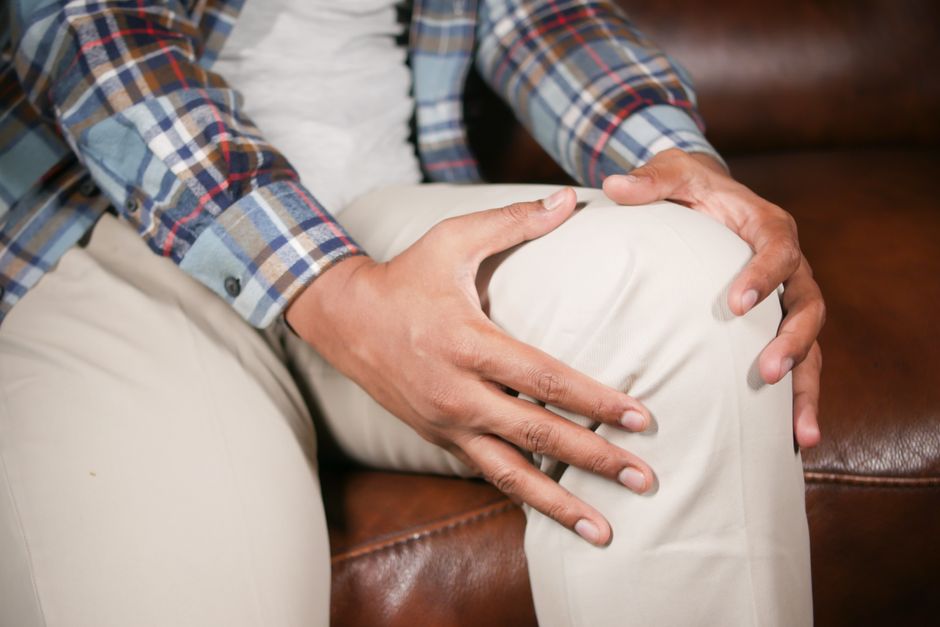
Why your knee sends mixed signals
🦵 Not sure what's causing your knee pain?
Answer 5 quick questions and get a personalised result.
Find My Pattern → 60 seconds · No sign-upSeveral things can explain why your pain disappears one day and returns the next, even when nothing obvious has changed.
Activity lag. Your knee doesn't always complain immediately. You might have a heavier activity day—longer walk, more stairs, extra time standing—and feel fine during it. The pain shows up 12 to 24 hours later, or even stretches across two days. This delayed response makes it nearly impossible to connect cause and effect in real time. You think the improvement is real because you felt good when it mattered, but your knee is actually responding to what you did yesterday.
Inflammation's natural rhythm. Swelling and irritation in the knee don't stay constant. They rise and fall based on activity, rest, sleep quality, how much fluid you're retaining, and even stress levels. A genuinely good night's sleep, less activity the day before, or a day where you stayed off your feet longer can all reduce inflammation enough to make pain noticeably lighter. That's real—but it doesn't necessarily mean the underlying issue has improved.
Compensation patterns. When knee pain eases, you often move differently without noticing. You stand taller, shift your weight more evenly, or use your leg more confidently. This feels like improvement because you're in less pain. But if the original problem (weak muscles, tight tissue, poor alignment) hasn't changed, you're just moving in a way that temporarily avoids triggering it. The moment you revert to old habits or push a little harder, the pain returns.
Weather and barometric pressure. Some people notice their knee feels looser or tighter depending on humidity, temperature drops, or rain. The science behind this is still debated, but the experience is real enough for many people. A clear, warm day might genuinely feel easier on your knee, while a damp day brings stiffness—neither has anything to do with whether you're healing.
How to track what's actually shifting
Distinguishing real progress from a good day requires paying attention in a specific way. Rather than relying on how you feel on any given morning, look for patterns that repeat over weeks. For useful context, how can i tell if my knee is actually improving or just having a good day tends to have the same mechanical roots and overlapping solutions.
Keep a simple activity and pain log. Write down three things each day: what you did (rough activity level—light, moderate, heavy), your pain level (0-10 scale, or just "minimal," "noticeable," "limiting"), and any swelling or stiffness. Don't overthink it. After two to three weeks, look back. Are your pain scores trending down overall, even if individual days vary? Are you doing slightly more activity without the pain spiking? That's improvement. If the log looks random—some days great, some days bad, no pattern—you're likely still in the "good days and bad days" phase.
Notice your baseline, not your best day. Your best day isn't useful information. Your baseline—how you feel on a typical day when you haven't done anything special—is what matters. If your baseline used to be "moderate pain first thing, easing by midday," and now it's "minimal stiffness that goes away after moving," that's real change. Compare your typical Tuesday to how a typical Tuesday felt three weeks ago.
Test the same activity twice. Do something specific—walk for 15 minutes, climb one flight of stairs, sit for an hour—and note how your knee responds. Wait two weeks, then do the same thing under similar conditions (same time of day, similar weather, similar activity beforehand). If your knee tolerates it better the second time, that's progress. If it reacts the same way, you haven't improved yet, even if you've had good days in between.
Watch for reduced swelling at the end of the day. Swelling that lingers into evening or overnight is a sign inflammation is still high. Real improvement often shows up as less swelling by day's end, even on moderately active days. Your knee might still feel tight in the morning, but the puffiness that used to stick around all day gradually starts disappearing by dinner time.
Track what triggers pain, not just pain itself. Does your knee hurt after standing for 20 minutes? After 30? After 45? If that threshold is gradually increasing, you're improving. Does sitting cross-legged cause sharp pain? If that pain is becoming duller or taking longer to appear, that's progress too. These small shifts in what provokes symptoms often appear before your overall pain level drops noticeably.
What to do while you're monitoring
While you're gathering information about whether things are actually improving, certain habits support genuine healing rather than just masking pain.
Consistency matters far more than intensity. A moderate activity level every day—even just walking for 15 minutes or doing gentle strengthening—tends to produce steadier improvement than sporadic heavier activity followed by rest days. Your knee adapts to what you ask of it regularly, not to what you do occasionally.
Avoid the trap of "I feel good, so I can do more." This is how good days become bad days. If you feel 80% better, it's tempting to return to normal activity or push harder. Resist that. Stick to the activity level that's been working, even when pain is minimal. Progress is slow enough without setbacks. It's worth knowing that can i participate in group exercise classes if my knee symptoms vary day to day follows a very similar pattern and responds to the same kind of approach.
Ice or heat after activity, not because you're in pain, but as routine maintenance. Some people find 10 to 15 minutes of ice after walking or activity reduces next-day soreness. Others prefer heat for stiffness. Experiment and see what your knee responds to.
Sleep and stress both affect inflammation. A week of poor sleep or high stress can mask improvement you've made, making a good week feel like you've slid backward. These factors are real but temporary. Don't
Safety note: If you have severe pain, significant swelling, a recent injury, fever, numbness, or difficulty bearing weight, speak with a qualified healthcare professional promptly.
Helpful Next Step
As an Amazon Associate, we may earn from qualifying purchases. This does not affect the price you pay.
Helpful Support Option
If this type of knee discomfort shows up during daily movement, light support may help reduce strain on the joint while you work on the underlying cause.
See knee support options on AmazonHelpful Next Step
If gentle support helps during recovery, you can check a simple support option that many people use in daily life. There's a close connection between this and how can i exercise when my knee pain is unpredictable from day to day — the same structures are usually involved.
This content is for educational purposes only and does not constitute medical advice. Always consult a qualified healthcare professional for diagnosis and treatment.