🦵 Not sure what's causing it? Take the 5-question knee quiz.
Find My Pattern →How Can I Prepare Your Home for a Period When Your Knee Will Be Significantly Limited?
The stairs you normally take without thinking suddenly feel like a real problem. Your bedroom is upstairs. The bathroom is upstairs. The kitchen is downstairs. Before the limitation hits hard, you're standing in your hallway realizing you haven't thought through where you'll actually spend most of your time, what you'll need within arm's reach, or how you'll manage basic tasks when moving around the house becomes slow, painful, or risky. Home preparation isn't about being dramatic—it's about removing the small friction points that turn a limited knee into a genuinely difficult few weeks.
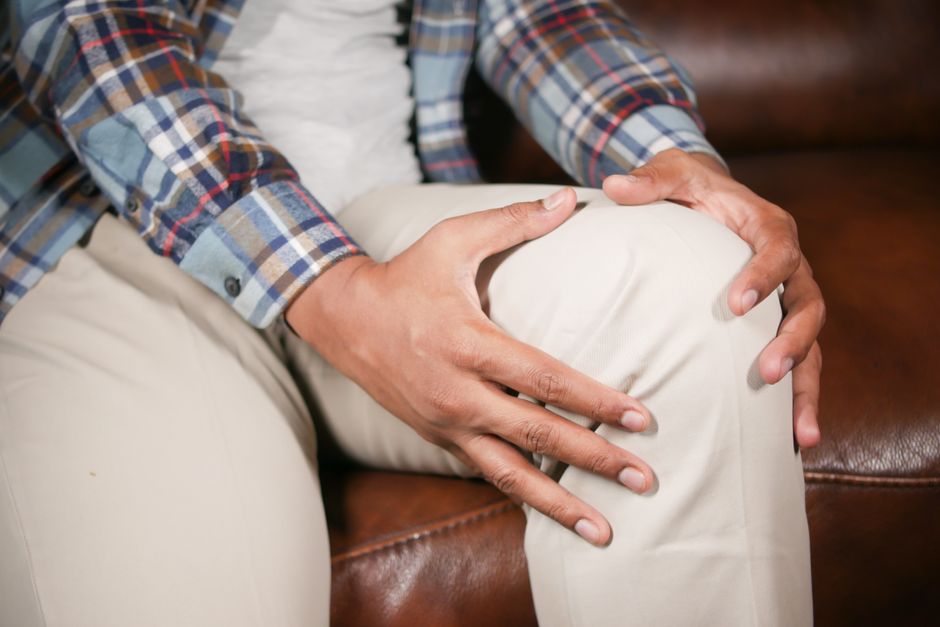
Why your home layout matters when knee movement is restricted
🦵 Not sure what's causing your knee pain?
Answer 5 quick questions and get a personalised result.
Find My Pattern → 60 seconds · No sign-upWhen your knee is significantly limited, the problem isn't just pain during activity. It's that your home was designed for unrestricted movement. You can manage one flight of stairs on a good day. You cannot manage five trips up and down because you forgot something. You can sit at the kitchen table, but getting there takes real effort and concentration.
Limited knee function can happen for several reasons. You might be recovering from an injury or procedure that requires a specific healing timeline. Inflammation can flare up unpredictably, making weight-bearing or bending difficult for days or weeks. Some people experience a period where physical therapy requires them to restrict certain movements to let tissue adapt. Arthritis or cartilage irritation can create windows where normal activity simply isn't possible without significant pain or swelling afterward. For useful context, how can i enjoy recreational hobbies with limited knee tolerance tends to have the same mechanical roots and overlapping solutions.
The common thread: during this time, your home becomes your primary environment. Unlike a day out where you can push through discomfort briefly, at home you're there for hours. The layout that worked fine before now determines whether you're comfortable or struggling.
Reorganizing your main living space
Start by identifying where you'll spend the most time. For most people, this is a bedroom and one main floor area—usually the living room or kitchen. Make that space your temporary hub. Everything you need regularly should be within one or two steps: water, phone, medications, entertainment, a place to rest your leg elevated.
If stairs are a barrier, consider sleeping downstairs temporarily. This might feel like a big change, but it eliminates the need to navigate stairs multiple times daily when you're already managing pain or swelling. A couch, a guest room, or even a bedroom temporarily moved to the main floor removes a constant physical demand. You're not forcing your knee to work against its limitation every time you need rest.
Arrange your main living area so frequently used items are at waist or chest height. Bending down to grab something from a low shelf or reaching up to a high cabinet both stress a limited knee differently, but both require balance and controlled movement. A side table next to your main seating area should hold water, your phone, remote controls, and anything else you reach for regularly. This sounds basic, but it prevents the moment where you realize you need something and have to weigh whether the trip is worth it.
The bathroom is often overlooked. If your main bathroom requires stairs or significant walking, prepare a backup. A portable toilet seat riser (the kind that sits on top of your existing seat) makes sitting down and standing up less demanding on the knee. Grab bars, even temporary adhesive ones, give you something to stabilize against. Keep frequently used items—toilet paper, hand soap, medications—at arm's reach so you're not searching or bending unnecessarily.
Practical adjustments that reduce strain
Ice packs and heat sources should be accessible without a trip to the freezer or stove. Keep a small cooler near your main resting area with ice packs ready. A heating pad plugged in and ready means you don't have to set it up when you need it. Elevation is critical during a limited-knee period, so a sturdy ottoman, pillow arrangement, or small table positioned next to your seating gives you a place to rest your leg without having to get up again.
Crutches or a walker, if recommended by your healthcare provider, should be positioned where you actually use them. Not in a closet. Not leaning against a wall in another room. Right where you stand up from your main sitting area. The friction of retrieving mobility aids often means people skip using them, which then creates more strain on the knee.
Clothing and shoes matter more than you'd think. Wear slip-on shoes or shoes with elastic laces during this period. Bending down to tie laces or struggling with closures adds unnecessary knee stress and frustration. Keep a few days' worth of comfortable, loose clothing in your main living area so you're not climbing stairs to your bedroom multiple times. If you also experience how can i travel by air when my knee mobility is limited, the two issues often share the same underlying cause.
Food preparation becomes a real consideration. If you're limited to one floor, prepare simple meals that don't require extended standing. A slow cooker or instant pot that you can set and leave reduces time spent in the kitchen. Pre-cut vegetables, ready-made proteins, and simple carbs mean you're not standing at a counter chopping. Eating smaller, more frequent meals also reduces the time you need to be upright.
What to avoid during this period
Don't try to prove you're healing by doing normal activities on your "good days." Inconsistent activity often delays actual recovery and can create setbacks that extend your limitation period. If your knee feels better one day, that's information about inflammation levels, not permission to resume normal activity.
Avoid rearranging your space frequently. Once you've set up your home for limited mobility, leave it that way. Moving furniture, reorganizing, or trying different setups wastes energy and creates opportunities for missteps or strain.
Don't ignore swelling patterns. If certain activities cause swelling hours later, that's your signal to avoid them during this period, even if they don't hurt immediately. Swelling is information about what your knee can handle.
When to talk with a healthcare professional
Before you start your limitation period, confirm with your healthcare provider what activities are actually off-limits and for how long. Some people can sit normally but shouldn't climb stairs. Others can walk short distances but shouldn't kneel or squat. Understanding your specific restrictions means you can prepare your space accurately instead of guessing.
If you're uncertain whether you need mobility aids, ask. If you're unsure whether sleeping downstairs is necessary, ask. Your provider can tell you what your limitation actually requires, which makes home preparation specific and realistic.
Safety note: If you have severe pain, significant swelling, a recent injury, fever, numbness, or difficulty bearing weight, speak with a qualified healthcare professional promptly.
Helpful Next Step
As an Amazon Associate, we may earn from qualifying purchases. This does not affect the price you pay.
Helpful Support Option
If this type of knee discomfort shows up during daily movement, light support may help reduce strain on the joint while you work on the underlying cause.
See knee support options on AmazonHelpful Next Step
If gentle support helps during recovery, you can check a simple support option that many people use in daily life. For useful context, how do i plan a vacation when my knee walking tolerance is limited tends to have the same mechanical roots and overlapping solutions.
This content is for educational purposes only and does not constitute medical advice. Always consult a qualified healthcare professional for diagnosis and treatment.