🦵 Not sure what's causing it? Take the 5-question knee quiz.
Find My Pattern →How Can I Modify My Work Environment to Reduce Knee Strain Without Making Obvious Changes?
Eight hours at your desk feels manageable until around 3 p.m., when your knee starts to feel stiff and tight. By the time you stand up to walk to a meeting, there's that familiar dull ache in the front or side of your knee—nothing dramatic, but enough to make you wonder if your work setup is quietly making things worse. The frustrating part is that you can't exactly install a standing desk or bring in a massage gun without drawing attention, and you're not sure what small adjustments would actually help anyway.
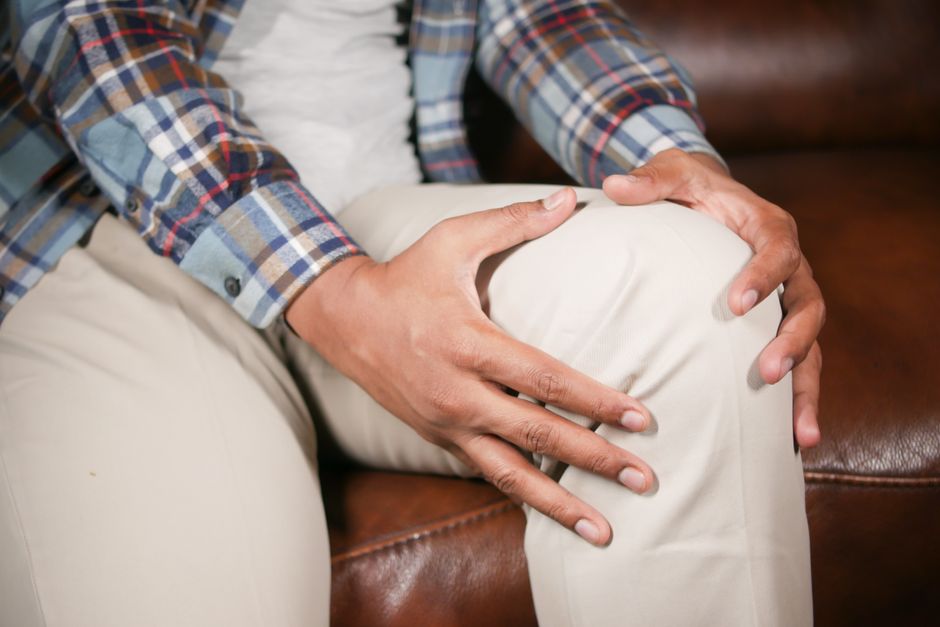
Why desk work can strain your knees
🦵 Not sure what's causing your knee pain?
Answer 5 quick questions and get a personalised result.
Find My Pattern → 60 seconds · No sign-upYour knees are designed to move through a range of positions throughout the day. When you stay in one posture for hours, the muscles around your knee—especially your quadriceps and hip muscles—can become tight and unbalanced. This imbalance may shift how your kneecap tracks, or it can create tension in the tendons and ligaments that support your knee joint.
Several common desk-related factors often contribute to this. First, your chair height and desk depth can force your knees into positions that put pressure on the joint itself. If your thighs aren't parallel to the ground, or if you're reaching too far forward, your knees work harder to stabilize your body. Second, staying still for long stretches reduces blood flow to the muscles around your knee, which can make stiffness worse and slow recovery from minor irritation. Third, the angle of your hips relative to your knees matters more than most people realize—when your hips are lower than your knees, it can increase pressure through the knee joint. Finally, if your feet don't rest flat on the floor or a footrest, your legs may dangle slightly, which forces your knee muscles to work to keep you stable. This pattern is related to how can i modify my desk setup to reduce unnecessary strain on my knees during work, and the same management principles often apply.
Small adjustments that don't draw attention
Adjust your chair height without anyone noticing. The goal is to get your thighs roughly parallel to the ground and your feet flat on the floor or a low footrest. If your current chair is too high, you can lower it incrementally over a few days—most people won't register the change. If it's too low, add a cushion under your seat. A small, thin cushion can make a real difference without looking out of place. Your knees should sit at roughly a 90-degree angle when you're sitting upright.
Reposition your monitor and keyboard slightly closer. If you're reaching forward to type or look at your screen, your knees absorb extra tension through your hip flexors and lower back. Move your keyboard and monitor 4 to 6 inches closer than they currently are. This small shift reduces the forward lean that forces your knees to compensate. No one will notice, and it often feels more comfortable overall.
Keep a small footrest or low box under your desk. A footrest doesn't have to be obvious—a small cushion, a phone book, or even a sturdy box works. The point is to give your feet a place to rest so your legs aren't dangling. When your feet dangle, your leg muscles work to keep you stable, which can irritate your knee. Alternating between resting your feet flat on the floor and on a low footrest (every 20 to 30 minutes) also encourages gentle movement without being noticeable.
Stand or shift position every 30 to 45 minutes. This is the most powerful change you can make, and it requires almost no setup. Stand to take a call, walk to the water cooler, or simply stand while reading an email. Even 2 to 3 minutes of standing breaks the static posture that tightens your knee muscles. The key is frequency, not duration. If standing feels uncomfortable, start with just standing for 1 minute at a time. Your body will adapt.
Use a small lumbar support or rolled towel behind your lower back. This keeps your spine in a neutral position, which aligns your hips and knees better. A small lumbar roll or even a rolled-up sweater placed behind your lower back can reduce the slouching that puts extra stress on your knees. It's subtle and looks like normal office furniture.
What to avoid
Don't cross your legs while sitting—it rotates your knee and can create uneven pressure on the joint. If you're used to crossing your legs, sit with your ankles crossed instead, or keep both feet flat. Avoid staying in the exact same position all day, even if that position feels comfortable. Comfort doesn't always mean your knee is happy.
Don't assume you need to buy special equipment. Most of these changes cost nothing or very little. A footrest can be a stack of books. A lumbar support can be a rolled towel. Expensive ergonomic gear isn't necessary. If you also experience what practical changes can i make at my desk to reduce knee strain, the two issues often share the same underlying cause.
When to reach out for guidance
If your knee pain gets sharper, swells noticeably, or starts affecting your ability to walk or climb stairs, talk to a healthcare provider. If the ache doesn't improve after 2 to 3 weeks of making these adjustments, or if it gets worse, that's also a good time to get professional input. A physical therapist can assess whether your work setup is the main culprit or whether something else is contributing.
Safety note: If you have severe pain, significant swelling, a recent injury, fever, numbness, or difficulty bearing weight, speak with a qualified healthcare professional promptly.
What to watch for as you adjust
Small changes take time to show results—give yourself at least 2 to 3 weeks before deciding whether something is working. As you make adjustments, pay attention to when your knee feels better or worse. Does it feel better after you've stood up for a few minutes? Does it tighten up after sitting for more than an hour? These patterns tell you what your knee actually needs. You might also notice that some days are better than others based on what you did the day before—that's normal and worth tracking. If one small change helps more than others, keep it and build from there.
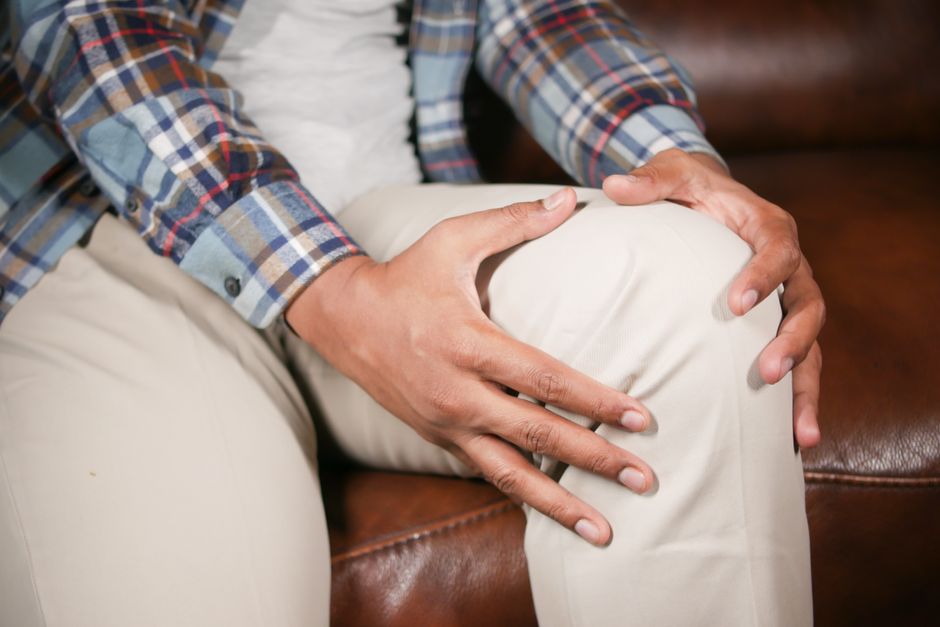
Helpful Next Step
As an Amazon Associate, we may earn from qualifying purchases. This does not affect the price you pay.
Helpful Support Option
If this type of knee discomfort shows up during daily movement, light support may help reduce strain on the joint while you work on the underlying cause.
See knee support options on AmazonHelpful Next Step
If gentle support helps during recovery, you can check a simple support option that many people use in daily life. This pattern is related to how can i explain my knee limitations to a coach or trainer without seeming like im making excuses, and the same management principles often apply.
This content is for educational purposes only and does not constitute medical advice. Always consult a qualified healthcare professional for diagnosis and treatment.